
REVIEWS / Luxury Sedans
NEW2026 Lexus ES Review
The all-new eighth-generation ES is bigger, plusher, and now sells as both a 46-mpg hybrid and a first-ever electric — so the real question is not whether to buy an ES, but which powertrain.
Published June 1, 2026 / Updated June 4, 2026
Expert verdict
Buy the 2026 Lexus ES 350h Premium at $51,095 (plus about $1,195 destination): it delivers the serene, 46-mpg, no-compromise luxury commute the ES has always promised, now in a larger, far more modern eighth-generation body with a 14-inch screen and Lexus Safety System+ 4.0 standard. The headline news is that the ES is now electric too — the 350e EV actually starts lower at $48,895 with 307 miles of range, and the 338-hp 500e AWD is the quickest ES ever — so if your driving is local and you can charge at home, the EV is a genuinely smart, incentive-conscious alternative. The one thing to watch: this is a brand-new design, so independent long-term reliability data does not exist yet, early reviewers flagged a finicky digital door latch and so-so steering-wheel materials, and the 500e's sportier character sits a little at odds with the ES's relaxed soul. None of that is a reason to wait if you want comfort over corner-carving. Cross-shop a Genesis G80, BMW i5, or Tesla Model 3 before signing, and remember every MSRP here excludes that destination fee.
HIGHS
- Class-leading comfort and quiet — the ES's whole point, and the redesign keeps it
- New flexibility: a 46-mpg 350h hybrid or a first-ever electric ES (307-mile 350e, 338-hp AWD 500e)
- The all-electric 350e is the cheapest ES of all at $48,895, undercutting the base hybrid
- Standard 14-inch Lexus Interface screen and Lexus Safety System+ 4.0 on every trim
- EVs use a native NACS port (Tesla Superchargers) with a long 10-year/150k battery warranty (research basis)
- Zero recalls as of June 11, 2026, and Lexus's strong ownership reputation
LOWS
- All-new design — no verified reliability, resale, or NHTSA/IIHS crash data yet
- Not a driver's car: serene and isolating, with little steering feel (a BMW i5 is more engaging)
- Early reviewers flagged a finicky digital door latch and a not-quite-premium steering wheel
- The 500e's sporty character sits slightly at odds with the ES's relaxed soul
- Destination fee (~$1,195) and warranty terms are research basis — verify at the dealer
- EV value depends entirely on home-charging access and a commute that fits the range
AT A GLANCE
- Score
- 8.1
- Price
- $48.9K - $60.3K
- Horsepower
- 244 hp
- Drivetrain
- FWD
- Body
- Sedan
- Fuel
- Hybrid
Buyer Verdict
The fast answer before you compare specs.
Built for shoppers who want the recommendation first and the details right after.
Buy it if
- Buy the 2026 Lexus ES 350h Premium hybrid at $51,095 (plus about $1,195 destination): it is the cheapest path to the classic, serene, 46-mpg ES with the new 14-inch screen and Lexus Safety System+ 4.0 standard, and needs no charging plan. If you can charge at home and drive mostly local, the all-electric 350e Premium is actually cheaper at $48,895 with 307 miles of range and possible state incentives — the smart EV alternative. The one pre-purchase check: because this is an all-new design, there is no verified reliability or crash-test data yet, so confirm the warranty terms in writing and audition the finicky digital controls before you sign.
- Best for: Comfort-first luxury-sedan buyers who want a quiet, serene, low-running-cost car and the flexibility to choose between a 46-mpg hybrid and a first-ever electric ES — and who value Lexus's ownership reputation over sporty handling.
- Our trim pick: 350h Premium from $51,095.
Skip it if
- All-new design — no verified reliability, resale, or NHTSA/IIHS crash data yet
- Not a driver's car: serene and isolating, with little steering feel (a BMW i5 is more engaging)
- Early reviewers flagged a finicky digital door latch and a not-quite-premium steering wheel
Closest rivals
- Tesla Model 3
The electric-sedan value benchmark
- Genesis G80
More features per dollar
- BMW i5
The driver's luxury EV alternative
Quick take
You searched '2026 Lexus ES review' because you saw the headlines: the ES is all-new for 2026 — bigger, sleeker, with a 14-inch screen — and for the first time you can buy it as a pure electric car instead of only a hybrid. That is a real decision, not a trim choice, and the search results do not make it easy. The top page right now is Car and Driver's drive of the hybrid; the next pages are a MotorTrend hub, Lexus's own marketing site, a Reddit thread, and a Consumer Reports road test. None of them puts the hybrid and the two new electric versions side by side and tells you, in plain English, which one a normal shopper should actually buy. That is what this review does. We will lay out every one of the eight trims with its official Lexus price, explain the 350h hybrid versus 350e/500e electric choice, and tell you which ES fits your driveway, your commute, and your budget — and what to check before you sign.
Research basis: this review is a desk-researched buyer's guide, not a MotorRank instrumented road test — we have not yet strapped our own gear to a 2026 ES. Every price, horsepower, MPG, and EV-range figure here is taken directly from Lexus's official site (lexus.com/models/ES, verified June 12, 2026) and is labeled official. The driving impressions, 0-60 estimates, and criticisms are attributed to the outlets that measured or observed them — principally Car and Driver's ES Hybrid first drive, The Drive's first-drive review (May 27, 2026), and Consumer Reports' road test. The destination fee and warranty year/mile terms are shown as research basis because we could not load a live primary-source footnote for them in this session; verify both at the dealer. We invent nothing — no reliability score, no resale percentage, no fake owner survey. Where a number is not yet known, we say so.
Driving impressions
Why the ES matters
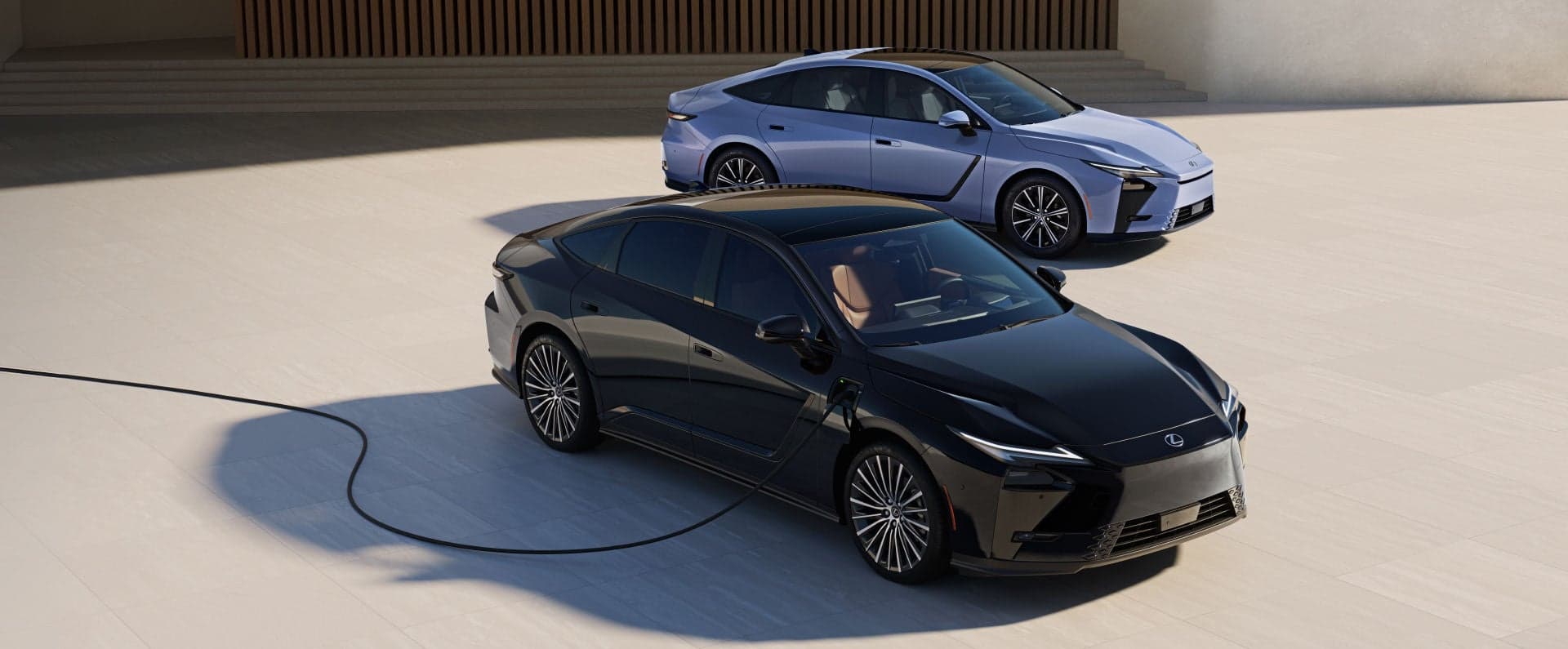
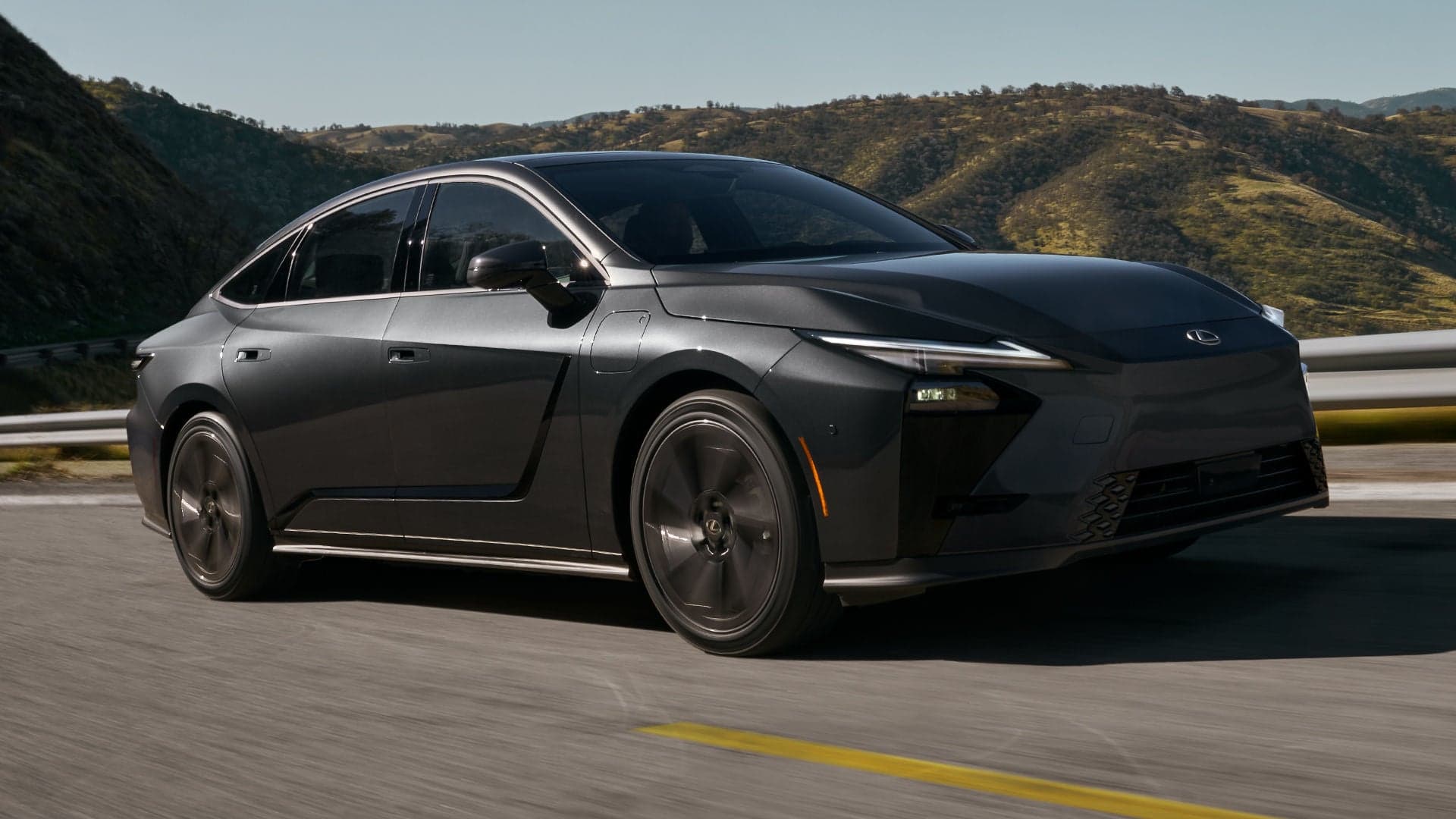
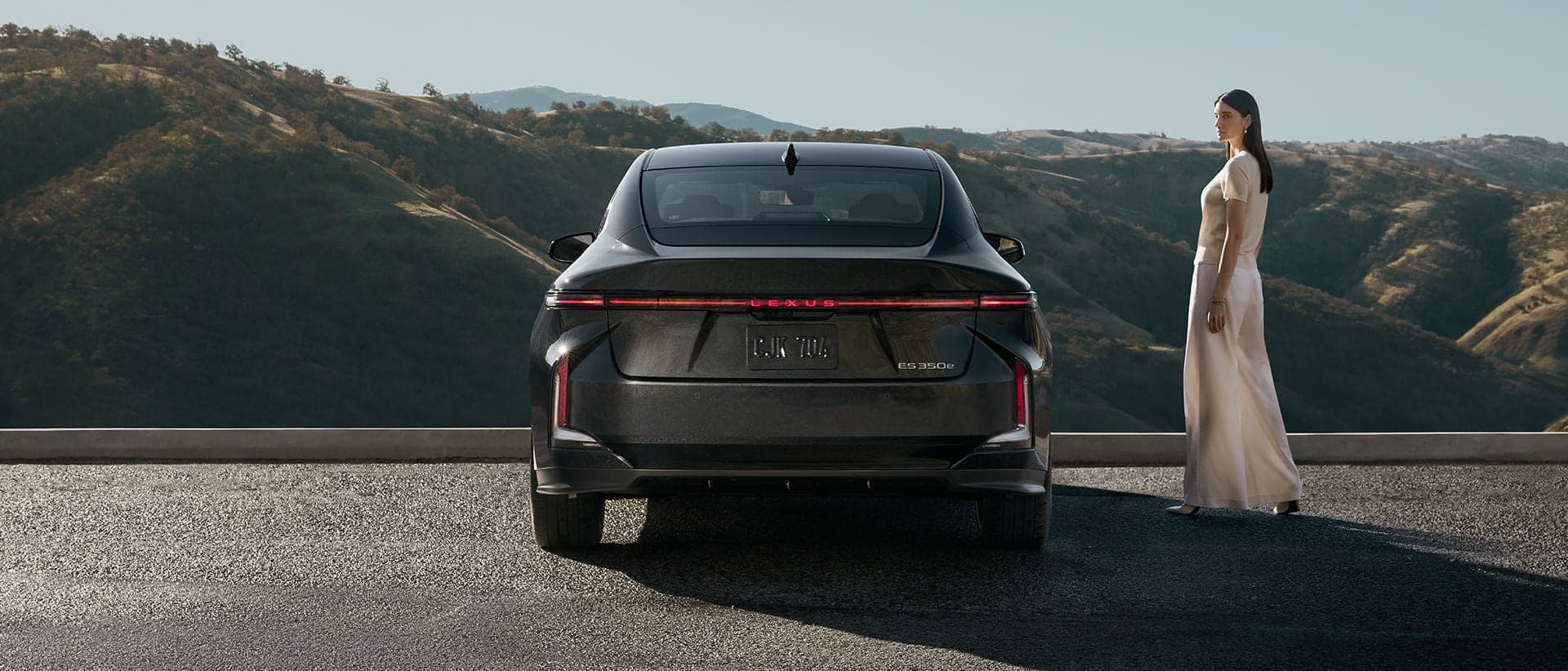
The ES matters because it is the default answer to a very common question: I want a quiet, comfortable, dependable luxury sedan and I do not care about lap times. For two decades the ES has owned that brief better than almost anything, and the 2026 redesign doubles down — it is longer and wider on Toyota's TNGA GA-K platform, with a more usable rear seat, a calmer cabin, and the newest Lexus tech. What is genuinely new is electrification of the whole nameplate: the same comfort-first sedan now comes as a 244-hp, 46-mpg hybrid, or as a 221-hp, 307-mile EV (350e), or as a 338-hp dual-motor AWD EV (500e) with a native NACS charging port. That makes the 2026 ES one of the few cars that lets a comfort-focused luxury buyer pick gas-free convenience without changing brands, body style, or driving character. It is, in short, the segment's safe pick — now with an electric option.
What to watch before you buy
Three things to watch before you buy. One: it is brand-new, so there is no independent reliability or resale data yet. Lexus's reputation is excellent and that is a fair reason for optimism, but anyone quoting you a 2026 ES reliability score today is guessing — wait for real owner data if that is your top priority. Two: the powertrain decision is the whole game. The EV is cheaper to start ($48,895) and cheaper to fuel if you charge at home, but only makes sense if your daily driving fits 307 miles between charges and you have charging access; otherwise the 46-mpg hybrid is the no-logistics choice. Three: early reviewers found small rough edges — The Drive flagged synthetic leather on the steering wheel and a finicky digital door latch, and CarExpert noted some wiggly switchgear. None are dealbreakers, but sit in the exact trim you are buying and work the controls before you commit.
SERP audit: who the 2026 Lexus ES has to beat right now
Run a SERP audit on '2026 Lexus ES review' today and the picture is unusually open for a Lexus. The number-one result is Car and Driver's drive of the ES Hybrid, followed by MotorTrend's hub, Lexus's own model page, a Reddit thread, and Consumer Reports' road test. Kelley Blue Book, Edmunds, TopGear, and The Drive sit further down. Every one of those pages is credible — but notice the gap: the strongest single result is about the hybrid only, and the freshest electric coverage is scattered across smaller first-look pieces. No top page cleanly answers the question a real shopper is actually asking in mid-2026.
That question is 'hybrid or electric?' Car and Driver's lead piece barely touches the EV; MotorTrend and Edmunds are broad overview hubs that hedge; Consumer Reports' road test is rigorous but paywalled and does not frame the buy as a powertrain fork. Because this is the freshest redesign in the class, the big sites' depth is still forming — there is room to win by being the page that lays the 350h, 350e, and 500e next to each other with official prices and a clear recommendation.
This review beats them on exactly that. We give you all eight trims with verified lexus.com MSRPs, the destination-fee caveat the marketing pages bury, the hybrid-versus-EV decision in plain English, and honest flags on what is not yet known (reliability, crash ratings, real-world EV range in winter). Edmunds and Car and Driver will tell you the ES is comfortable; we tell you which ES to buy and what to check first.
The bottom line up front: is the 2026 Lexus ES worth buying?
Yes — if you want comfort, quiet, and low running costs more than you want driving thrills, the 2026 ES is one of the easiest luxury sedans to recommend, and the redesign fixes the old car's biggest weakness (a dated cabin and small screen) without breaking what worked. The serene ride, hushed interior, and Lexus ownership reputation are all intact, and now there is a 14-inch screen, more rear-seat room, and a choice of hybrid or electric power.
The honest catch is that this is a first-model-year car, so you are buying on reputation, not on a track record — there is no verified 2026 reliability data, no resale history and, as of this writing, no NHTSA or IIHS crash rating for the eighth-gen ES. Lexus's history makes that a reasonable bet, but it is a bet, and we will not pretend otherwise.
For most buyers the move is the 350h hybrid Premium at $51,095: it is the cheapest route to the classic ES experience, returns an EPA-estimated 46 mpg, needs no charging plan, and comes loaded with the standard 14-inch Lexus Interface and Lexus Safety System+ 4.0. The EV is the smart alternative for home-charging, mostly-local drivers — and it is genuinely cheaper to start.
Official pricing: every 2026 Lexus ES trim, plus the destination fee
Here is the part the brochure soft-pedals. The 2026 ES's official MSRP ranges from $48,895 for the all-electric 350e Premium to $60,295 for the loaded 500e Luxury AWD, across eight trims — and every one of those numbers is MSRP, which excludes the destination fee. Lexus adds a Delivery, Processing and Handling charge of approximately $1,195 (research basis — verify at the dealer), so a '$51,095' 350h Premium is really about $52,290 before tax, title, and options. Anyone who quotes you an ES price without naming the destination charge is quoting you an incomplete number.
The lineup, official from lexus.com: 350e Premium (EV, FWD) $48,895; 500e Premium AWD (EV) $51,895; 350h Premium (hybrid, FWD) $51,095; 350h Premium AWD $52,495; 350h Premium+ $55,895; 350h Premium+ AWD $57,295; 350e Luxury (EV, FWD) $57,295; 500e Luxury AWD (EV) $60,295. The quirk worth circling: the base electric car is the cheapest ES of all, undercutting the cheapest hybrid by $2,200 on MSRP.
Pricing for a freshly launched model can drift, and Lexus had not, at our check, published anything suggesting a mid-cycle change — but if you are reading this months later, re-check lexus.com for the current MSRP and the exact destination figure, because both can move. Treat the prices here as the launch MSRP snapshot, accurate as of June 12, 2026.
The core decision: 2026 Lexus ES hybrid (350h) vs electric (350e / 500e)
This is the whole ballgame for a 2026 ES shopper, so let's make it simple. The 350h hybrid pairs a 2.5-liter four-cylinder with electric motors for 244 net horsepower and an EPA-estimated 46 mpg combined (44 mpg with AWD), and it never needs a plug — you fuel it in five minutes at any gas station. It is the no-logistics choice: maximum convenience, minimum range anxiety, and the lowest barrier to the just-works ES experience. If you take road trips, cannot charge at home, or simply do not want to think about it, the hybrid wins by default.
The electric ES comes two ways. The 350e is front-drive, makes 221 hp, and is EPA-rated at 307 miles of range; the 500e is dual-motor DIRECT4 all-wheel drive, makes 338 hp (the most powerful ES ever) and is rated at 276 miles. Both use a native NACS charging port (so they plug into Tesla Superchargers) and ship with a CCS adapter and a dual-voltage home cable. If your driving is mostly local, you can charge at home overnight, and you may qualify for a state EV incentive, the EV is cheaper to start ($48,895) and cheaper to fuel — a genuinely strong case.
How to choose: pick the hybrid if you value freedom from charging and long-trip simplicity; pick the 350e if you want the lowest entry price and home-charging savings; pick the 500e if you want AWD and the quickest ES, and do not mind that reviewers (The Drive) felt its sportier streak sits slightly at odds with the ES's DNA. There is no wrong answer here — only the one that matches your driveway. Powertrain, horsepower, range, and mpg figures are official lexus.com; 0-60 estimates are The Drive's, not a MotorRank test.
Fuel economy and range: what the EPA numbers actually say
On the hybrid side, the numbers are excellent for a midsize luxury sedan: the 350h is EPA-estimated at 46 mpg combined in front-drive form and 44 mpg with all-wheel drive (official lexus.com). That is the headline reason to buy the hybrid — you get full-size luxury comfort with compact-car running costs, and you will visit a gas station roughly half as often as you would in a German rival. Real-world mileage always varies with speed, climate, and how you drive, but the ES hybrid has a long history of getting close to its sticker.
On the electric side, the 350e is EPA-rated at 307 miles and the 500e at 276 miles (official). Two honest caveats. First, EV range drops in cold weather and at sustained highway speeds — Lexus itself notes DC fast-charging can take 1.5 to 2 times longer at freezing temperatures — so plan for less than the sticker on a January interstate run. Second, you may see higher WLTC range figures (around 416/395 miles) quoted from overseas spec sheets; those are a different, more lenient test cycle than the US EPA numbers, so for an American buyer the 307/276-mile EPA figures are the ones that matter.
Bottom line on efficiency: the hybrid is the surer bet for mixed and long-distance driving, while the EV's running-cost advantage is real but conditional on home charging and a commute that fits comfortably inside 250-ish real-world miles.
Trim walk, part one: the value end — 350e Premium and 500e Premium AWD
The two cheapest 2026 ES models are both electric, which is the surprise of the lineup. The 350e Premium ($48,895) is the literal entry point to the entire ES range: 221 hp, 307 miles of EPA range, front-wheel drive, and — crucially — it is not stripped. Standard kit includes the 14-inch Lexus Interface touchscreen, Lexus Safety System+ 4.0, wireless Apple CarPlay and Android Auto, the native NACS port, and the dual-voltage home charging cable. For a home-charging local commuter, this is arguably the smartest-value ES of all.
Step up $3,000 to the 500e Premium AWD ($51,895) and you trade a little range (276 miles) for a lot of capability: DIRECT4 all-wheel drive and 338 horsepower, making this the quickest ES money can buy at a price below the loaded hybrids. It keeps the same Premium-grade interior (NuLuxe trim, the full safety suite) but adds all-weather traction — a compelling pitch for snow-belt buyers who want an EV without giving up grip.
The catch at this end is that Premium is the base interior grade: you get NuLuxe (Lexus's synthetic leather) rather than the semi-aniline hides of the Luxury cars, and you miss the Mark Levinson audio, Panoramic View Monitor, and head-up display that arrive higher up. For many buyers that is fine — the bones are all here — but audition the Premium cabin before assuming you do not want to climb the ladder.
Trim walk, part two: the heart of the range — the 350h hybrids
The hybrids are where most ES buyers will land, and Lexus splits them into Premium and Premium+, each in front- or all-wheel drive. The 350h Premium ($51,095 FWD / $52,495 AWD) is our recommended default: 244 hp, 46 mpg (44 AWD), the full standard tech and safety suite, and the lowest price of admission to the classic, no-plug ES experience. Nothing about it feels like a base car — the 14-inch screen, LSS+ 4.0, and wireless smartphone integration are all standard.
The 350h Premium+ ($55,895 FWD / $57,295 AWD) is the one to consider if you want the cabin to feel special without leaving the hybrid. It adds the Mark Levinson 17-speaker, 1,800-watt PurePlay surround audio, the Panoramic View Monitor, a digital rearview mirror, and a head-up display — the genuinely nice-to-have luxuries — while keeping the hybrid's mileage and convenience. For a buyer who plans to keep the car a decade, the Premium+ upgrades are the ones you will appreciate every day.
Note the FWD-versus-AWD math: AWD costs $1,400 more and trims combined economy from 46 to 44 mpg. If you live where it snows, that is an easy yes; if you do not, the front-drive hybrid is lighter, slightly thriftier, and a touch cheaper. Either way, the 350h is the ES that best honors what the nameplate has always been about.
Trim walk, part three: the flagships — 350e Luxury and 500e Luxury AWD
At the top sit two electric Luxury models. The 350e Luxury ($57,295) is the front-drive EV with the full luxury treatment: semi-aniline leather, Bamboo Layering door trim, Mark Levinson audio, and the comfort-first 307-mile electric powertrain. It is the pick for a buyer who wants the quietest, plushest ES and wants it electric, and who does most of their driving where home charging makes the running-cost case.
The 500e Luxury AWD ($60,295) is the most expensive and most powerful ES: 338 hp, DIRECT4 all-wheel drive, 276 miles of range, and every Luxury appointment. It is the ES for someone who wants electric refinement, all-weather security, and effortless pace, and is not fazed by the price climbing past sixty grand before the destination fee. The Drive estimated it at roughly 5.1 seconds to 60 mph — quick for an ES, though the same reviewers felt the sporty streak sits a little against the car's relaxed grain.
If you have decided on an EV and you want it loaded, these are your two cars: 350e Luxury for maximum range-per-dollar and front-drive efficiency, 500e Luxury for power and AWD. Both ask a real premium over the Premium-grade EVs, so be honest about whether the semi-aniline leather and Mark Levinson sound are worth roughly $8,000 to $11,000 over the base electric car.
Trim verdict by buyer type
For the classic ES buyer who just wants comfort and great mileage: the 350h Premium ($51,095). It is the cheapest no-compromise hybrid, 46 mpg, fully equipped, and needs no charging plan. This is the default recommendation for a reason. For the budget-savvy local commuter who can charge at home: the 350e Premium ($48,895). It is the cheapest ES outright, 307 miles of range, possibly state-incentive-eligible, and cheaper to fuel than any hybrid if your electricity is reasonably priced.
For the snow-belt driver: either the 350h Premium AWD ($52,495) hybrid for plug-free all-weather capability, or the 500e Premium AWD ($51,895) if you want AWD in EV form for similar money and a lot more power. For the buyer who wants it to feel like a flagship: step to a Premium+ hybrid ($55,895) for Mark Levinson and head-up display while keeping gas-station convenience, or a Luxury EV ($57,295 to $60,295) for semi-aniline leather and Bamboo trim.
Match the trim to how you actually drive and where you charge, and you will not overpay for capability you will never use. The single most common right answer remains the 350h Premium — but the 350e Premium is the quietly brilliant value play for anyone with a home charger.
Driving, comfort, and capability: AWD, DIRECT4, and the ES character
The ES has never been a sports sedan and the 2026 car does not pretend otherwise — its job is to make you forget you are driving. The Drive captured it well, writing that the 350h drives as if driving on clouds were the north star of its engineering brief, and that the EV adds a layer of tranquility on top. If you want a car that isolates you from bad roads and noise, this is a class leader; if you want steering feel and corner-carving, look elsewhere (a BMW i5 or Genesis Electrified G80 will scratch that itch better).
Drivetrain choices shape the experience. The 350h comes FWD or AWD; the 350e EV is front-drive only; the 500e EV uses Lexus's DIRECT4 all-wheel drive with dual motors and 338 hp for the quickest, most planted ES. AWD here is about confidence and all-weather security rather than sportiness — useful if you face snow or rain, largely optional otherwise.
One honest note on the 500e: reviewers (The Drive) felt its added performance is slightly at odds with the ES's DNA. That is not a flaw so much as a mismatch of intent — the ES is happiest being calm. If you crave pace, the 500e delivers it, but you may be paying for a character the rest of the car gently resists. Pick AWD for traction needs, not for thrills, and the ES rewards you with exactly the serene drive it is famous for.
Interior, tech, and safety
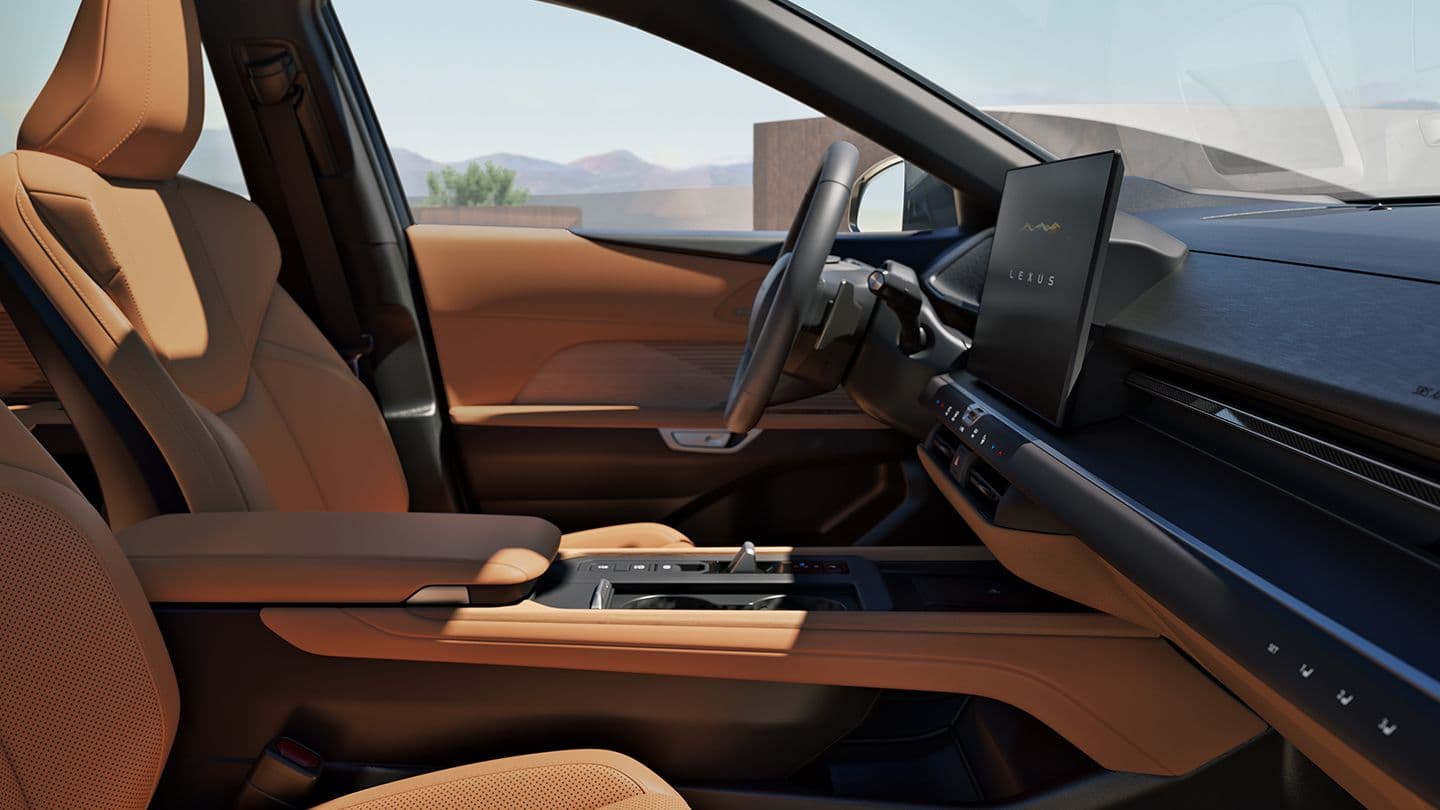
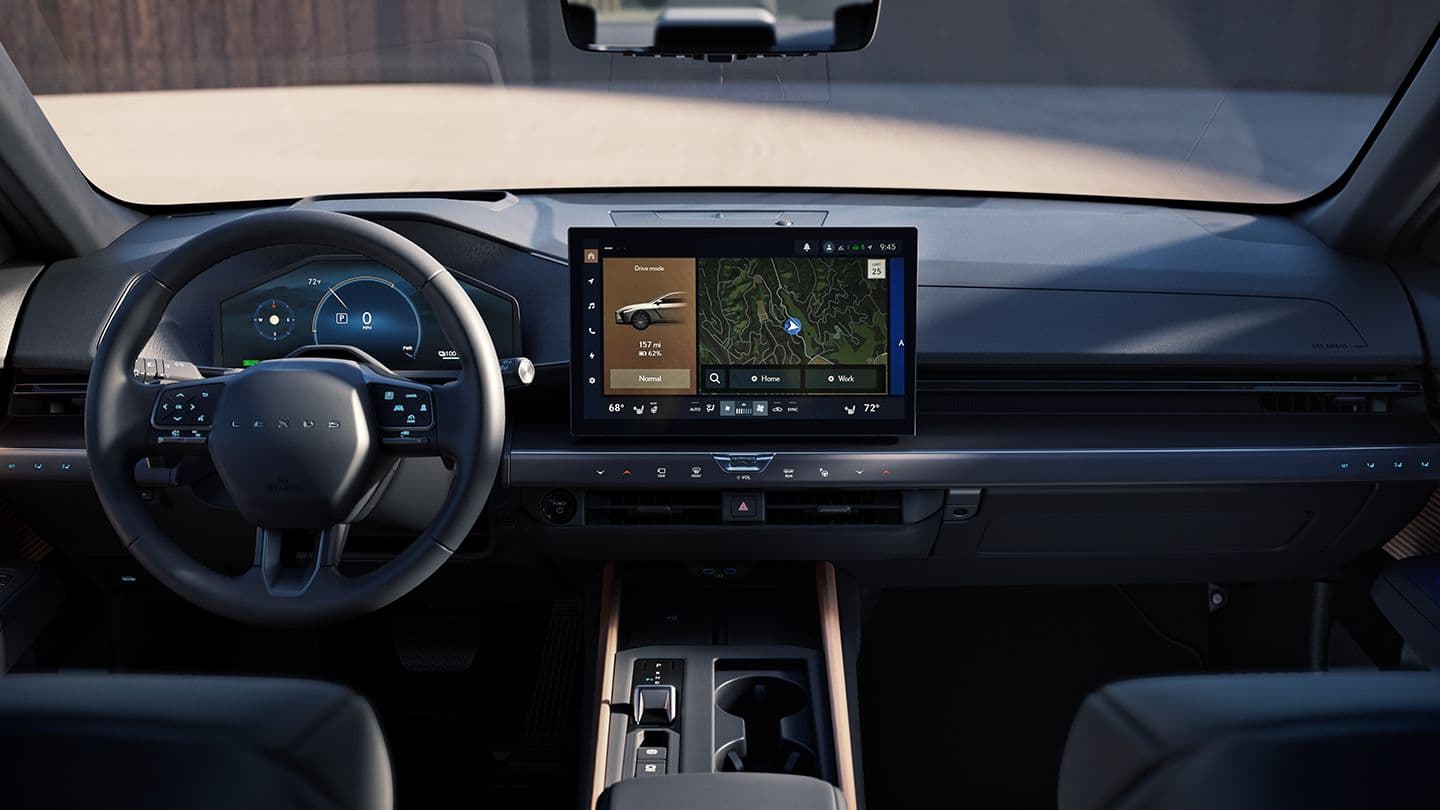
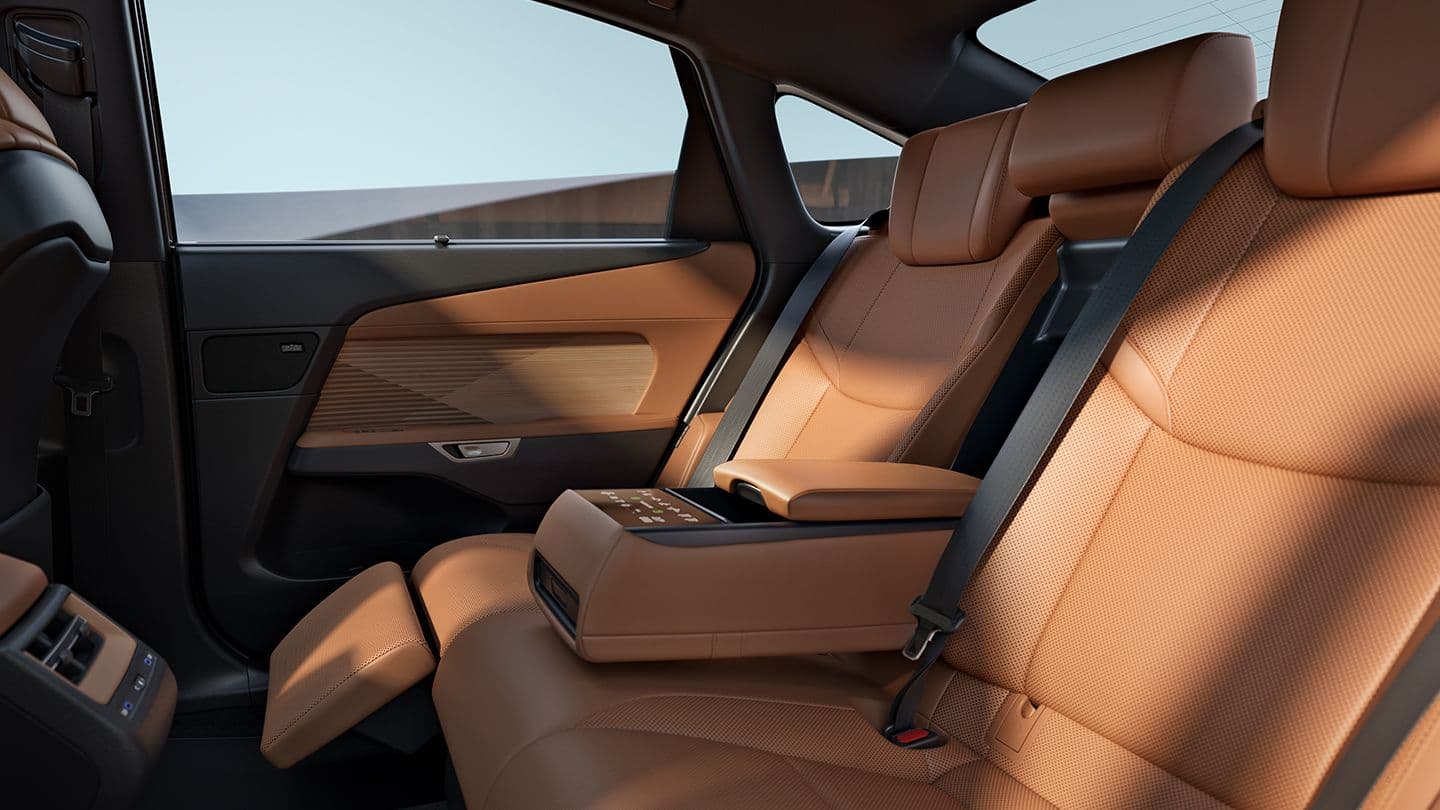
The cabin is the redesign's biggest leap and, by most accounts, its high point. The new ES gets a 14-inch Lexus Interface touchscreen standard, a mature and uncluttered dashboard (The Drive's words), and material choices that climb from NuLuxe synthetic leather on Premium grades to genuine semi-aniline leather with Bamboo Layering trim on the Luxury cars. The eighth-gen body is longer and wider, which translates to a roomier, airier back seat — a meaningful upgrade for buyers who carry passengers. Higher trims add Mark Levinson 17-speaker audio, a Panoramic View Monitor, a digital rearview mirror, and a head-up display.
Technology is current: standard wireless Apple CarPlay and Android Auto, and on the EVs a native NACS port with a bundled CCS adapter and dual-voltage home cable. The flip side is that Lexus has moved more functions into the screen and onto touch-sensitive controls, and reviewers were not uniformly thrilled — The Drive called the digital door latch finicky and flagged a synthetic-leather steering wheel that does not feel as premium as the price suggests, while CarExpert noted some switchgear that wiggles. Sit in the exact trim you are buying and work every control before you sign.
On safety, every 2026 ES comes with Lexus Safety System+ 4.0 standard — the latest version of Lexus's driver-assist suite, debuting on this car — covering automatic emergency braking, lane-keeping, adaptive cruise, and more. Important honesty flag: as of June 11, 2026, NHTSA lists no crash-test rating for the 2026 ES and the IIHS has not yet published one for the eighth generation, so we make no crash-rating claim. We will update when official scores land.
Charging the electric ES: NACS, home charging, and road trips
If you are considering the 350e or 500e, charging logistics decide whether the EV is brilliant or annoying for you. The good news: both electric ES models ship with a native NACS charging port, the same connector Tesla uses, so you can plug into the vast Tesla Supercharger network directly, plus an included CCS adapter for the 76,000-plus other Level 2 and DC fast chargers Lexus cites. There is also a dual-voltage cable in the trunk for plugging into a standard 120V outlet or a 240V home circuit.
Home charging is where the EV's running-cost case is won. Overnight on a 240V circuit, you wake up full most days, never visit a gas station, and pay home-electricity rates instead of pump prices — for a local commuter that is both cheaper and more convenient than the hybrid. The DC fast-charging network handles road trips, though Lexus notes practical limits: it recommends no more than three DC fast-charge sessions per day to protect battery health, and warns charging slows 1.5 to 2 times at freezing temperatures.
The honest takeaway: the electric ES is a great car if you can charge at home and your routine fits roughly 250 to 300 real-world miles between charges. If you cannot charge at home, or you regularly drive long distances in cold climates, the 46-mpg hybrid will simply be less hassle — and that is the whole reason Lexus still sells it alongside the EV.
Ownership, warranty, reliability, and resale
Here is where honesty matters most, because this is a first-model-year car. On Warranty, Lexus's standard new-vehicle coverage applies (research basis — standard Lexus terms, verify against the 2026 Lexus Warranty & Services Guide): roughly 4 years/50,000 miles basic, 6 years/70,000 miles powertrain, 6 years/unlimited-mile corrosion perforation, with hybrid components around 8 years/100,000 miles and the hybrid/EV battery around 10 years/150,000 miles. Every ES also includes LexusCare, Lexus's complimentary maintenance and roadside program (confirmed on lexus.com). That battery coverage in particular is reassuring for EV shoppers worried about long-term degradation.
On reliability, we will not give you a number, because an honest one does not exist yet. The 2026 ES is brand-new; there is no verified owner-survey data, no long-term test fleet history, and no dependability score we would stand behind for this specific car. What we can say fairly: Lexus and Toyota have a strong, well-documented reliability reputation across their lineups, and the hybrid system in the 350h is an evolution of a powertrain Lexus has refined for years, which is grounds for cautious optimism. If verified reliability is your single most important factor, the rational move is to wait for the first wave of real owner data.
On resale, same discipline: we will not quote a depreciation percentage for a car this new, because we would be inventing it. The ES has historically held value well for its class, and Lexus's reputation supports that, but treat resale as an open question for the 2026 specifically until real data accumulates. Budget on the purchase price and the warranty you can verify, not on a resale projection.
Same-brand cross-shop: where the ES sits in the Lexus and electric-sedan world
Within Lexus, the ES is the comfort-and-value sedan — below the larger, pricier LS flagship and distinct from the sportier IS. The 2026 redesign narrows the gap to the LS on cabin tech and rear-seat space, which makes the ES an even stronger 'do I really need the bigger car?' value play for buyers who would otherwise stretch. If you want a Lexus sedan that prioritizes serenity and running costs over outright size or sportiness, the ES is the pick, and the new electric versions mean you no longer have to leave the brand to go gas-free.
Stepping outside Lexus into the broader electric-sedan conversation, the new ES 350e/500e land in a crowded, fast-moving field. The obvious benchmark is the Tesla Model 3 — cheaper, longer-range in some trims, and backed by the Supercharger network the ES can now also use thanks to its native NACS port. The ES counters with a quieter, plusher, more traditionally luxurious cabin and Lexus dealer service, trading Tesla's tech-forward minimalism and efficiency for comfort and brand familiarity.
For shoppers cross-shopping luxury EVs more broadly — the Polestar 3 and Lucid Gravity are both on our site as EV references — the ES is the comfort-first, sedan-shaped, lower-priced alternative to those larger, pricier electric SUVs. It will not out-range a Lucid or out-handle a Polestar, but it undercuts both on price and leans into the calm, isolating character that is the entire point of buying an ES.
Cross-shop: Genesis G80, Acura TLX, BMW i5, Tesla Model 3 — and who should wait
The ES's most direct gas-or-hybrid rival is the Genesis G80, which offers more standard equipment and arguably bolder styling for the money, plus a strong warranty — but the ES counters with its hybrid's class-leading mileage and Lexus's deeper reliability reputation. If maximum features-per-dollar is your metric, drive the G80; if efficiency and a proven ownership reputation top your list, the ES edges ahead. The Acura TLX is sportier and cheaper but older and less efficient, a value play rather than a comfort or tech leader.
On the electric and premium-dynamic side, the BMW i5 is the driver's choice — it is far more engaging to drive and feels more overtly premium-sporty, but it costs more and will not match the ES's serenity or, in hybrid form, its fuel economy. The Tesla Model 3 is the efficiency-and-range value benchmark for the electric ES to answer; it is cheaper and tech-forward, while the ES offers a calmer, more traditionally luxurious experience and dealer service. Pick the i5 for driving joy, the Tesla for range-per-dollar, the ES for comfort and low fuss.
Who should wait? Buyers for whom verified reliability or crash-test data is non-negotiable — both are simply unavailable for the eighth-gen ES today. Also wait if you want the EV but cannot yet charge at home; solve the charging question first, because it determines whether the electric ES is a joy or a chore. Everyone else — comfort-focused buyers who like what they see — has no real reason to hold off.
How to buy, and the final verdict
Start by answering one question before you ever walk into a dealer: can you charge at home, and does your driving fit roughly 300 miles between charges? If yes, price the 350e Premium ($48,895) — it is the cheapest ES, it is electric, and it may qualify for a state incentive; you might get more car for less money. If no, or if you take regular long trips, go straight to the 350h Premium ($51,095) hybrid: 46 mpg, no charging to manage, and the truest expression of what the ES does best.
Then decide how loaded you want it. Most buyers are well served by a Premium-grade car; step to Premium+ (hybrid) or Luxury (EV) only if Mark Levinson audio, a head-up display, and semi-aniline leather genuinely matter to you. Whatever you pick, get the out-the-door number in writing — MSRP plus the roughly $1,195 destination fee plus tax, title, and any options — so the destination charge never surprises you at signing.
Final verdict: the 2026 Lexus ES is a confident, easy recommendation for comfort-first luxury-sedan shoppers, and the new electric option meaningfully widens its appeal, for a research-basis score of 8.1 out of 10. Buy the 350h Premium at $51,095 if you want the classic, no-plug ES; buy the 350e Premium at $48,895 if you can charge at home and want to go electric for less. The only real caution is the one that applies to any all-new car: there is no long-term reliability or crash data yet, so buy on Lexus's reputation with eyes open — and verify the destination fee and warranty terms at the dealer.
Specs Snapshot
The numbers shoppers compare first.
Key numbers to compare against alternatives before you commit.
| Base price | $48.9K - $60.3K |
|---|---|
| Horsepower | 244 hp |
| Drivetrain | FWD |
| Transmission | CVT |
| Fuel type | Hybrid |
| Combined MPG/MPGe | 46 |
Media Proof
Exterior and interior visuals with source receipts.
Every asset shown here links back to its source and license so the page can gain trust without borrowing competitor media.
Source Receipts
Source pages, creator credits, and reuse licenses are visible for editorial trust and legal hygiene.
Related Video
2026 Lexus ES | MotorWeek First Drive
MotorWeek
Embedded from MotorWeek's official YouTube channel as third-party reference media on the all-new ES — MotorWeek's first drive, not an independent MotorRank road test.
Interior
Cabin views before you choose a trim.
The cabin is the redesign's biggest leap. Every 2026 ES gets a standard 14-inch Lexus Interface touchscreen and a mature, uncluttered dashboard; Luxury trims add genuine semi-aniline leather and Bamboo Layering trim. The longer, wider eighth-gen body improves rear-seat space. The honest catch, per The Drive: some touch controls are finicky and the synthetic-leather steering wheel does not feel as premium as the price suggests.
Interior Source Receipts
Research basis
Updated June 11, 2026
Desk research synthesizing Lexus's official 2026 ES specifications and pricing (lexus.com, verified June 12, 2026), Car and Driver's ES Hybrid first drive, The Drive's first-drive review (May 27, 2026), Consumer Reports' road test, CarExpert's ES review, KBB/Edmunds overviews, and the NHTSA recalls and safety-ratings APIs.
This is a research-basis review, not a MotorRank instrumented road test. Horsepower, MPG, EV range, and MSRP are official Lexus figures; 0-60 estimates and driving impressions are third-party and attributed. The roughly $1,195 destination/DPH fee and the warranty year/mile terms are research basis pending a primary-source footnote and should be verified at the dealer. MSRP excludes the destination fee.
Next priorities: add original first-drive notes, confirm the exact Lexus destination fee and 2026 warranty terms from a primary source, and incorporate the first verified NHTSA/IIHS crash ratings and real-world EV range data once published.
Which 2026 LEXUS ES to Buy
Which trim is right for you?
350e Premium
$48,895
The value entry — and, oddly, the cheapest ES: an all-electric 221 hp, 307-mile EPA range, a native NACS port, and the standard 14-inch screen.
350h Premium
$51,095
Our default pick: the 244-hp hybrid at an EPA-estimated 46 mpg combined — the cheapest path to the classic, no-plug ES experience, fully equipped.
Our pick
500e Premium AWD
$51,895
The affordable way into AWD and the quickest ES: 338 hp, DIRECT4 all-wheel drive, and 276 miles of range.
350h Premium AWD
$52,495
All-weather hybrid traction at 44 mpg combined — the no-plug all-rounder for snow-belt buyers.
350h Premium+
$55,895
Adds Mark Levinson 17-speaker audio, a head-up display, a digital rearview mirror, and the Panoramic View Monitor — still at 46 mpg.
350h Premium+ AWD
$57,295
The loaded all-weather hybrid: the Premium+ luxury kit plus all-wheel drive, at 44 mpg.
350e Luxury
$57,295
The EV flagship of comfort: semi-aniline leather, Bamboo Layering trim, Mark Levinson audio, and 307 miles of range.
500e Luxury AWD
$60,295
Top of the range: 338-hp DIRECT4 all-wheel drive with full Luxury appointments — the most expensive ES you can order.
Performance
- Horsepower
- 244hp
Scorecard
- Performance7.4
- Comfort9.2
- Value8.3
- Ownership8.5
- Technology8.2
- Safety8.4
- Reliability8.6
- Interior9
Shopping Tools
Next steps for 2026 Lexus ES shoppers.
Research tools to help you move from browsing to buying.
Compare rivals
Line up the closest alternatives before you commit.
Check deal signals
Review pricing pressure, incentives, and value angles.
Read owner signal
Balance the expert take with ownership patterns.
Electric-sedan cross-shop
The efficiency-and-range benchmark the new electric ES has to answer — see how a tech-forward EV sedan compares with Lexus's comfort-first take.
Open vehicle hub
Keep specs, reliability, rankings, and review links together.
Compare Against
Cross-shop before you commit.
The closest alternatives in this price range, with our read on each.
The electric-sedan value benchmark
Tesla Model 3
Cheaper, longer-range in some trims, and tech-forward — and the ES can now use the same Superchargers via its NACS port. The Tesla wins on efficiency and value; the ES wins on cabin quiet, traditional luxury, and dealer service.
More features per dollar
Genesis G80
The G80 offers more standard kit and bold styling for the money with a strong warranty. The ES counters with class-leading hybrid economy (46 mpg) and Lexus's deeper reliability reputation. Drive both if value is your metric.
The driver's luxury EV alternative
BMW i5
Far more engaging to drive and more overtly premium-sporty, but pricier and less serene. Pick the i5 for driving joy; pick the ES for comfort, quiet, and lower fuss.
Luxury EV cross-shop (SUV)
Polestar 3
A sharper-handling luxury electric SUV at a higher price. The ES is the comfort-first, sedan-shaped, lower-cost alternative for buyers who do not need an SUV and prize serenity over dynamics.
Buyer FAQ
2026 Lexus ES buyer questions, answered.
24
buyer answers
Question Map
Decision
Should you buy a 2026 Lexus ES?
Start here to decide whether the redesigned ES — and which powertrain — is the right luxury sedan for you.
Is the 2026 Lexus ES worth buying?
Yes for comfort-first buyers — but it's an all-new design with no long-term reliability data yet.+
If you want a quiet, comfortable, low-running-cost luxury sedan more than driving thrills, the redesigned 2026 ES is one of the easiest recommendations in the class, with a new 14-inch screen, more rear-seat room, and a choice of hybrid or electric power. The honest catch is that it is a first-model-year car, so there is no verified reliability, resale, or crash-test data yet — you are buying on Lexus's strong reputation. For most buyers the 350h Premium hybrid at $51,095 is the move; the 350e EV at $48,895 is the smart pick if you can charge at home.
Which 2026 Lexus ES should I buy?
The 350h Premium hybrid ($51,095) for most buyers; the 350e Premium EV ($48,895) if you charge at home.+
The 350h Premium is the default: it is the cheapest no-plug hybrid, returns an EPA-estimated 46 mpg, makes 244 hp, and comes with the full standard tech and Lexus Safety System+ 4.0. If your driving is mostly local and you can charge overnight, the all-electric 350e Premium is actually cheaper to start at $48,895, offers 307 miles of range, and may qualify for a state incentive. Choose the hybrid for convenience and road trips, the EV for the lower entry price and home-charging savings.
Who is the 2026 Lexus ES for?
Comfort-focused luxury buyers who value quiet and low running costs over sportiness.+
The ES suits drivers who want a serene, hushed, dependable luxury sedan and do not care about lap times — it has been the default answer to that brief for two decades. The 2026 redesign adds a modern cabin and the new option to go fully electric without leaving the comfort-first character. Buyers who crave steering feel and dynamics should look at a BMW i5 instead; buyers who prioritize features-per-dollar should also drive a Genesis G80.
Should I wait to buy a 2026 Lexus ES?
Only if verified reliability/crash data is non-negotiable, or you want the EV but can't charge at home yet.+
There is no strong reason for most comfort-focused buyers to wait — the fundamentals are proven Lexus strengths. Wait if your top priority is verified reliability or crash-test ratings, because neither exists yet for the eighth-gen ES. Also solve your charging situation before committing to the EV: the electric ES is excellent with home charging and a fitting commute, but a hassle without it, in which case the 46-mpg hybrid is the better choice.
Hybrid vs Electric
2026 Lexus ES hybrid vs electric: which powertrain?
The single biggest 2026 ES decision — the gas-electric 350h hybrid versus the new 350e/500e EVs.
What's the difference between the ES 350h, 350e, and 500e?
350h is the 244-hp/46-mpg hybrid; 350e is the 221-hp/307-mi front-drive EV; 500e is the 338-hp AWD EV.+
The 350h is a gas-electric hybrid making 244 net horsepower and an EPA-estimated 46 mpg combined (44 with AWD) — no plug needed. The 350e is the front-drive electric model with 221 hp and 307 miles of EPA range. The 500e is the dual-motor DIRECT4 all-wheel-drive electric flagship with 338 horsepower (the most powerful ES ever) and 276 miles of range. All figures are official from lexus.com; both EVs use a native NACS charging port.
Is the electric ES better than the hybrid?
Better only if you can charge at home and drive locally; otherwise the hybrid is less hassle.+
Neither is strictly better — they suit different lives. The electric 350e/500e are cheaper to fuel and quieter still if you charge at home and your driving fits the 276-307-mile range, and the base 350e even costs less than the cheapest hybrid. But the 46-mpg hybrid needs no charging plan, refuels in five minutes anywhere, and is the surer bet for road trips and cold climates. Match the powertrain to your driveway and commute.
How much does the electric ES cost vs the hybrid?
The base 350e EV ($48,895) is cheaper than the base 350h hybrid ($51,095) on MSRP.+
Surprisingly, the all-electric ES is the cheapest version of the car: the 350e Premium starts at $48,895, undercutting the cheapest hybrid (350h Premium, $51,095) by $2,200 on MSRP, before the roughly $1,195 destination fee. The electric range tops out with the 350e Luxury ($57,295) and 500e Luxury AWD ($60,295). Factor in possible state EV incentives and lower home-charging costs and the EV's value case gets stronger still — provided you can charge at home.
Is the 500e fast, and is it worth it?
Quickest ES ever (~5.1s 0-60, per The Drive), but its sportiness sits a little against the ES's calm character.+
The 500e's dual-motor DIRECT4 AWD makes 338 horsepower and The Drive estimated roughly 5.1 seconds to 60 mph — easily the quickest ES — versus about 7.3 to 7.4 seconds for the hybrid and 350e. It is worth it if you want AWD and pace in EV form, but reviewers noted the added performance feels slightly at odds with the ES's DNA, which is happiest being serene. Those 0-60 figures are third-party estimates, not a MotorRank test.
Real Cost
Price, fees, and value
What the ES really costs once you account for the destination fee and trim choices.
How much does the 2026 Lexus ES cost?
From $48,895 (350e Premium EV) to $60,295 (500e Luxury AWD), plus a ~$1,195 destination fee.+
Official MSRPs run from $48,895 for the all-electric 350e Premium to $60,295 for the loaded 500e Luxury AWD, across eight trims (lexus.com). The volume 350h hybrid Premium is $51,095. Every figure is MSRP and excludes the destination/DPH fee of approximately $1,195 (research basis — verify at the dealer), so add that plus tax, title, and options for your real out-the-door price.
What is the destination fee on the 2026 Lexus ES?
About $1,195 (Lexus Delivery, Processing and Handling) — research basis; confirm at the dealer.+
Lexus charges a Delivery, Processing and Handling fee on top of MSRP — roughly $1,195 for the ES based on standard Lexus pricing. We flag this as research basis because we could not load the live configurator footnote at the time of writing, so confirm the exact figure when you buy. The key point: MSRP never includes it, so a '$51,095' hybrid is really about $52,290 before tax and options.
Is the 2026 Lexus ES a good value?
Yes — strong standard kit, the EV undercuts the hybrid, and the hybrid's 46 mpg lowers running costs.+
The ES makes a solid value case: even the base Premium trims include the 14-inch Lexus Interface screen, Lexus Safety System+ 4.0, and wireless smartphone integration, the electric 350e starts below the hybrid, and the 350h's 46 mpg keeps fuel bills low. Rivals like the Genesis G80 offer more features per dollar, but the ES counters with class-leading hybrid economy and Lexus's reliability reputation. For comfort-first buyers it is well priced.
Does the electric ES qualify for a tax credit?
No guaranteed federal credit — check current rules and your state's incentives before counting on savings.+
Do not assume a federal EV credit; eligibility depends on current federal rules at purchase, which have changed, and on assembly and sourcing requirements. Lexus's own site points buyers to potential state tax credits rather than promising a federal one. Check the latest federal guidance and your state's EV incentives before budgeting any savings — and treat the full MSRP as your baseline cost.
Drivetrain & Range
Fuel economy, range, and AWD
The efficiency and traction numbers that separate the ES variants.
What is the 2026 Lexus ES hybrid's MPG?
EPA-estimated 46 mpg combined (FWD) or 44 mpg (AWD) — official.+
The 350h hybrid is EPA-estimated at 46 mpg combined in front-wheel-drive form and 44 mpg combined with all-wheel drive, per lexus.com. That is excellent for a midsize luxury sedan and the main reason to choose the hybrid: full-size comfort with compact-car running costs. Real-world mileage varies with speed, climate, and driving style, but the ES hybrid has historically delivered close to its sticker.
How far can the electric ES go on a charge?
307 miles (350e) or 276 miles (500e), EPA-estimated — expect less in cold or at high speed.+
The front-drive 350e is EPA-rated at 307 miles and the AWD 500e at 276 miles (official lexus.com). Plan for less in winter or at sustained highway speeds — Lexus notes DC fast-charging alone slows 1.5 to 2 times near freezing. Ignore higher WLTC range numbers (around 416/395 miles) from overseas spec sheets; those use a more lenient test cycle, and the US EPA figures of 307/276 miles are what matter here.
Does the 2026 Lexus ES come in all-wheel drive?
Yes — AWD on the 350h hybrid and standard DIRECT4 AWD on the 500e EV; the 350e EV is front-drive only.+
The 350h hybrid offers front- or all-wheel drive (AWD adds $1,400 and trims economy to 44 mpg). The 500e electric model comes standard with Lexus's DIRECT4 dual-motor all-wheel drive and 338 horsepower. The base 350e electric model is front-wheel drive only. If you need all-weather traction, choose the 350h AWD hybrid for no-plug convenience or the 500e for AWD in EV form.
How does the electric ES charge?
Native NACS port (Tesla Superchargers), a bundled CCS adapter, and a dual-voltage home cable.+
Both EVs have a native NACS charging port, so they plug straight into Tesla Superchargers, plus an included CCS adapter for the 76,000-plus other DC fast and Level 2 chargers Lexus cites, and a dual-voltage cable for 120V or 240V home outlets. Lexus recommends no more than three DC fast-charge sessions per day to protect battery health. Home charging on 240V overnight is the cheapest, most convenient way to live with the electric ES.
Daily Use
Living with the 2026 Lexus ES
Interior, tech, space, and the small annoyances reviewers found.
How big is the screen and how's the tech?
A standard 14-inch Lexus Interface touchscreen, wireless CarPlay/Android Auto — modern, with a few finicky controls.+
Every 2026 ES gets a standard 14-inch Lexus Interface touchscreen, a big upgrade over the old car, plus standard wireless Apple CarPlay and Android Auto. Higher trims add Mark Levinson 17-speaker audio, a head-up display, and a digital rearview mirror. The tech is current and the dashboard is mature and uncluttered (The Drive), but the same reviewer found the digital door latch finicky — audition the controls before you buy.
Is the 2026 Lexus ES roomy inside?
Yes — the longer, wider eighth-gen body improves rear-seat space; it seats five.+
The redesigned ES rides on a longer wheelbase and a wider body than before, which translates to a more spacious, airier cabin and a roomier back seat — a meaningful gain for buyers who carry passengers regularly. It seats five. Luxury trims add semi-aniline leather and Bamboo Layering trim for a genuinely premium feel; Premium trims use Lexus's NuLuxe synthetic leather, which is still nice but a step down.
How quiet and comfortable is the ES to drive?
Exceptionally — comfort and quiet are its whole point; it's not a sports sedan.+
The ES is built to isolate you from noise and bad roads, and reviewers agree it nails that brief — The Drive wrote the 350h drives as if driving on clouds were the north star of its engineering brief, with the EV adding a layer of tranquility. What it does not offer is steering feel or sporty handling; if you want engagement, a BMW i5 is the better drive. For serene comfort, the ES is a class leader.
What are the 2026 Lexus ES's downsides?
No long-term data yet, some finicky digital controls, a not-quite-premium steering wheel, and EV charging logistics.+
The main caveats: it is an all-new design, so there is no verified reliability or crash-test data yet; The Drive flagged a finicky digital door latch and a synthetic-leather steering wheel that does not feel premium for the price; CarExpert noted some switchgear that wiggles. The EV's appeal also depends entirely on home-charging access. None are dealbreakers for a comfort-focused buyer, but sit in your exact trim and work the controls first.
Ownership
Warranty, reliability, and resale
What's covered, what's known, and what we honestly can't yet rate.
What's the warranty on the 2026 Lexus ES?
Standard Lexus coverage: ~4yr/50k basic, 6yr/70k powertrain, plus long hybrid/EV-battery coverage (research basis).+
Lexus's standard new-vehicle warranty applies (research basis — verify against the 2026 Lexus Warranty & Services Guide): about 4 years/50,000 miles basic, 6 years/70,000 miles powertrain, 6 years/unlimited-mile corrosion perforation, with hybrid components around 8 years/100,000 miles and the hybrid/EV battery around 10 years/150,000 miles. Every ES also includes LexusCare complimentary maintenance and roadside assistance. The long battery coverage is reassuring for EV buyers worried about degradation.
Is the 2026 Lexus ES reliable?
Too new to rate honestly — but Lexus's reputation and the proven hybrid system are grounds for optimism.+
We will not give you a 2026 reliability score, because an honest one does not exist yet — the car is brand-new with no verified owner-survey data. What is fair to say: Lexus and Toyota have a strong, well-documented reliability reputation, and the 350h's hybrid system is an evolution of a powertrain Lexus has refined for years, which supports cautious optimism. If verified dependability is your top priority, wait for the first wave of real owner data.
Will the 2026 Lexus ES hold its value?
Likely well, based on the nameplate's history — but we won't quote a number for a car this new.+
We will not invent a depreciation percentage for the 2026 ES, because there is no resale data yet for the redesigned car. Historically the ES has held its value well for the class and Lexus's reputation supports that, so it is reasonable to expect solid resale — but treat it as an open question for this specific model year until real numbers accumulate. Budget on the purchase price and verifiable warranty, not a resale projection.
Does the 2026 Lexus ES have any recalls or crash ratings?
Zero recalls as of June 11, 2026 (NHTSA); no NHTSA or IIHS crash rating published yet.+
As of June 11, 2026, the official NHTSA database lists zero safety recalls for the 2026 Lexus ES, and NHTSA has not yet published a crash-test rating for the eighth-generation car (verified via the NHTSA API). The IIHS has likewise not yet rated it. Every ES does come with Lexus Safety System+ 4.0 driver-assist tech standard. We make no crash-rating claim and will update when official scores are published.
Ready to buy?
Configure your 2026 Lexus ES.
Get matched with a Lexus dealer or build your spec sheet from scratch.