
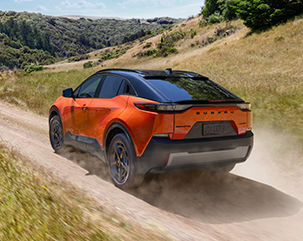
REVIEWS / SUVs
NEW2026 Subaru Uncharted Review
Subaru's smallest EV is finally the one with the clearest buyer logic: buy the front-drive Premium for range and value, or step into the Sport AWD if weather, traction, and Subaru familiarity matter more than the headline number.
Published June 1, 2026 / Updated June 4, 2026
Expert verdict
The 2026 Subaru Uncharted is one of the more convincing affordable EV launches of 2026 because the base trim starts below $35,000, the official 308-mile range is real shopper bait, and the dual-motor trims still feel like proper Subarus. The catch is simple: once you move past the Premium FWD, you are paying a lot more for traction, image, and equipment while giving away range.
HIGHS
- Premium FWD starts below $35,000 before destination
- Official 308-mile range headline gives the base trim a real edge
- Dual-motor Sport AWD delivers genuine performance without luxury-EV money
- Subaru's current financing and lease language make it a live June 2026 shopping target
LOWS
- Value fades quickly if you climb to the GT without a clear reason
- Real-world charging, winter range, and resale still need owner proof
- Rear-seat space should be checked in person before family buyers commit
- A sloppy dealer quote can erase the affordable-EV story fast
AT A GLANCE
- Score
- 8.1
- Price
- $34,995 - $43,795
- Horsepower
- 338 hp
- 0-60
- 4.7s
- Drivetrain
- AWD
- Body
- SUV
Buyer Verdict
The fast answer before you compare specs.
Built for shoppers who want the recommendation first and the details right after.
Buy it if
- The 2026 Subaru Uncharted is worth shortlisting if you want an affordable EV that still feels like a mainstream crossover. Buy the Premium FWD if range and payment matter most. Pay for the Sport AWD only if weather, traction, and quicker performance are actual needs rather than Subaru habit.
- Best for: Buyers who want an honest-priced daily-driver EV, can charge at home, and are willing to choose FWD for better range if AWD is not truly necessary.
- Our trim pick: Premium FWD from $34,995.
Skip it if
- Value fades quickly if you climb to the GT without a clear reason
- Real-world charging, winter range, and resale still need owner proof
- Rear-seat space should be checked in person before family buyers commit
Closest rivals
- Nissan Leaf
Lower-stress mainstream EV alternative
- Toyota bZ
Dealer-confidence and Toyota-brand trust rival
- Rivian R2
More aspirational adventure EV stretch
Quick take
The 2026 Subaru Uncharted is the first Subaru EV in a long time that makes immediate sense on paper. Subaru's official site still lists the Premium front-wheel-drive trim at $34,995 before destination, the Sport AWD at $39,795, and the GT AWD at $43,795, while Kelley Blue Book's current pricing coverage puts the real starting figure at $36,445 once destination is included. That matters because Subaru is no longer asking shoppers to imagine the math. It is publishing live June finance and lease language on a 300-plus-mile EV that now has to survive real quote comparisons against the Nissan Leaf, Toyota bZ, and Chevrolet Equinox EV.
This is a MotorRank research-basis review, not an instrumented road test. The analysis here is built from Subaru's official pricing, specs, EV ownership material, June 2026 incentive language, current Edmunds incentive listings, fresh competitor pages, and current market context. MotorRank has not yet run a long-range test, measured highway consumption, verified winter loss, or checked charging speed at a public station with a production vehicle.
Driving impressions
Why the Uncharted matters
The Uncharted matters because it gives Subaru a lower-price EV with clearer value than the old Solterra story. It also lands in a market that is punishing expensive, vague EVs and rewarding models that tell the buyer exactly what they are getting: usable range, straight pricing, familiar controls, and reasonable size. The June 2 sales signal showing Subaru's new EVs moving faster than the Solterra makes this more than a brochure launch. Buyers are actually looking at it.
What to watch before you buy
Watch four things before you sign: whether you really need all-wheel drive, whether your daily use actually justifies paying more than $39,000 for a subcompact EV, what the local dealer quote looks like after destination and fees, and how comfortable you are buying an EV that still needs real-world charging, resale, and long-term reliability proof. The Uncharted becomes a smart buy only when those four answers stay clean.
SERP audit: what the current leaders already own
The current Subaru Uncharted search landscape is not empty. Car and Driver already frames the Uncharted as a Crosstrek-for-the-EV-era play and gives shoppers the broad review/specs/range structure they expect. Edmunds stacks pricing, pros and cons, specs, and incentive links in a clean buyer-research format. The Drive pushes the strongest cheap-EV thesis, essentially saying the car makes the most sense when you skip AWD. TractionLife and A Girls Guide to Cars both add the human first-drive angle, talking about the vehicle as a livelier, more characterful alternative to the usual anonymous electric crossover.
That matters because MotorRank cannot win with a press-release rewrite or a generic EV explainer. The leaders already answer the obvious questions: what it is, what it costs, how far it goes, and which trim is fastest. A useful MotorRank page has to go a step deeper into actual buyer math: when the Premium FWD is the right answer, when the Sport AWD is worth the jump, which shoppers should keep shopping for a Leaf or bZ instead, and why local quote discipline matters more here than on a mainstream gas Subaru.
The SERP also reveals a soft spot. Several competitor pages talk about the Uncharted like a neat product but stop short of giving hard shopping order. They mention the Toyota C-HR relationship, the dual-motor output, and the 300-plus-mile range, but they do not spend enough time on out-the-door pricing, incentive realism, home-charging fit, or why a buyer may be better served by the front-drive trim even if the Subaru instinct is to reflexively choose AWD. That is the opening MotorRank should take.
What Subaru officially announced
Subaru's official model overview and specs pages establish the core facts. The 2026 Uncharted comes in three trims: Premium FWD at $34,995, Sport AWD at $39,795, and GT AWD at $43,795, all before destination, tax, title, registration, dealer fees, and accessories. Subaru positions the Premium as the long-range value configuration and the dual-motor trims as the more brand-authentic Subaru choices for buyers who want all-weather traction and more punch.
Official performance and efficiency details are strong enough to make the car relevant. Subaru lists 221 horsepower for the Premium FWD and up to 338 horsepower for the dual-motor Sport and GT. The headline range is more than 300 miles, with the Premium carrying the 308-mile claim. Subaru's ownership resources also point to a 74.7-kWh battery, a 10% to 80% fast-charge window of about 28 minutes on a 150-kW charger, and an approximately six-hour Level 2 refill on the 11-kW onboard charger.
Subaru also leans hard into the equipment story: a standard 14-inch touchscreen, wireless Apple CarPlay and Android Auto, EyeSight driver-assist features, and a cabin meant to feel more useful than cheap. That matters because this car is not trying to win only on range. It is trying to feel easier to live with than many entry EVs. If the official claims hold up in the real world, that mix of price, range, charge speed, and mainstream usability is exactly why the Uncharted deserves attention.
The extra June relevance comes from Subaru's own consumer site and broader market signal. The Uncharted is not just a distant concept anymore; Subaru is publishing live financing and lease language, and outside reporting on June 2 highlighted that Subaru's newer EVs are already beating the Solterra's sales pace. That does not prove long-term success, but it does show this model is landing in a live buying cycle right now rather than sitting in a speculative future-car bucket.
Price and June deal framing: where the buyer math starts
Subaru's official site says the MSRP does not include destination and delivery charges, taxes, title, or registration, and the current consumer-facing offer language matters. As of the live June 2026 model page, Subaru is advertising 0% APR for 72 months and a Premium lease example at $415 per month with $2,500 down, $2,915 due at signing, and a $2,000 customer cash rebate baked into the math. That immediately changes how this car should be shopped. The Uncharted is not only an EV brochure page; it is a live transaction candidate with payment language attached.
The first rule is to separate MSRP from transaction price. A $34,995 Premium that turns into a $36,445 starting point with destination, then gets padded with accessories, protection products, and dealer fees, is not the same value proposition as a clean quote. The same is true for a $415 lease example. Payment ads can hide due-at-signing cash, mileage limits, and regional availability. Ask for the exact money factor, residual, fees, and total amount due before you treat a national lease ad as a real local deal.
The second rule is not to let the AWD jump happen automatically. The Premium looks inexpensive because it is. The Sport adds nearly $5,000 before destination, and the GT adds another $4,000 on top of that. If the buyer's use case is commuting, errands, suburban family duty, and the occasional weekend drive, the Premium's lower price is not just a number. It is the entire reason the Uncharted starts making more sense than some higher-priced EVs or loaded hybrids.
The third rule is to compare the Uncharted against other real-world payments, not only against other Subaru models. Edmunds is also surfacing $2,000 customer cash plus smaller educator and military offers through July 1, 2026, which means the payment picture may move by region and buyer profile. A shopper who can lease a different EV for similar money, or finance a proven hybrid for far less, needs the Uncharted to justify itself with specific advantages: better range, easier charging, more confidence in bad weather, or a cabin and tech setup that feels worth living with. The Uncharted cannot win on badge loyalty alone once the numbers are on paper.
Premium FWD vs Sport AWD vs GT AWD
The Premium FWD is the default MotorRank recommendation because it protects the whole thesis of this vehicle. It is the trim that keeps the starting price under $35,000, carries the strongest range number, and avoids asking the buyer to pay a steep premium for the all-wheel-drive story unless they truly need it. For commuters, suburban families, and buyers who want their first EV to feel financially rational, the Premium is the trim that actually delivers the headline promise.
The Sport AWD is the trim for buyers who live in snow states, want dual-motor punch, or simply cannot get comfortable with a front-wheel-drive Subaru EV. This is where the Uncharted starts feeling more emotionally like a Subaru. You get the added traction, the stronger output, and the version of the car many traditional Subaru shoppers will find easier to defend to themselves. The tradeoff is that you pay materially more and you give away some of the range advantage that made the base car so appealing in the first place.
The GT AWD is the easy trim to overbuy. There is nothing inherently wrong with it. A loaded electric crossover with more comfort and convenience features can make sense for a buyer who keeps cars a long time and knows they will appreciate the nicer cabin every day. But in a subcompact EV class where price discipline is half the reason the vehicle exists, a loaded GT can push the Uncharted into territory where buyers should absolutely cross-shop stronger and larger EV alternatives.
The trim ladder lesson is simple: if the Premium already solves your use case, do not talk yourself into the Sport or GT just because they sound more complete. If the Sport solves a weather or traction problem you actually have, it is a defensible upgrade. If the GT is mostly about wanting the top trim because it feels safer, slow down. The top trim is usually the easiest place for value to leak out of an otherwise smart buy.
Range, charging, and the real daily-use question
The 308-mile range headline matters because it is the number that allows the Uncharted to enter normal-buyer territory rather than enthusiast-EV territory. A three-hundred-mile-class EV stops sounding like a compromise to a lot of shoppers. It becomes a vehicle they can imagine commuting in, taking on routine regional trips, and living with every day without thinking about charging every single time they leave the house.
The catch is that the strongest range belongs to the front-drive version. That is not unique to Subaru, but it matters more here because the Uncharted's emotional pull is tied to the Subaru identity. Many buyers will instinctively want the AWD trim. The page has to say out loud what dealers may not emphasize: if you step into the AWD trims, you are paying more and losing some of the exact efficiency and range logic that makes the Premium such a compelling answer.
Subaru's official ownership resources help the charging story feel more concrete. The company points to about 28 minutes for a 10% to 80% fast charge on a 150-kW station and about six hours for a full home Level 2 refill on the 11-kW onboard charger. That is usable. It is not miracle charging, but it is enough for a routine commuter and for a road-tripper who plans like a normal EV owner instead of pretending the car is a gas crossover.
The buyer question is not whether those numbers are perfect. It is whether they fit the way you actually live. If you can charge at home and drive 20 to 80 miles most days, the Uncharted's charging story is easy. If you apartment-park, take frequent long highway runs, and hate the idea of planning stops, then even a good affordable EV can still be the wrong tool. The right answer depends less on Subaru's brochure and more on your driveway, route, and patience.
Performance and the FWD versus AWD tradeoff
The dual-motor Uncharted is fast enough to matter. Subaru and competitor testing alike position the AWD versions as genuinely quick, with sub-five-second 0-to-60 capability in the right trim. That makes the vehicle feel more than merely competent. It can actually be fun, and that is part of why several first-drive reviewers describe it as a spicy or more enthusiastic crossover rather than just another anonymous EV pod.
But speed is not the main decision lever for most shoppers in this bracket. The smarter question is whether the buyer benefits more from the Premium's range and lower cost or from the Sport and GT's traction and power. In places with heavy winter weather, mountain driving, or a real preference for quicker launches and more secure all-season footing, AWD earns its keep. In the Sun Belt or in largely urban and suburban driving, the Premium can be the stronger rational answer.
This is where the Uncharted gets more interesting than some rivals. A lot of affordable EVs ask you to accept a single powertrain story. Subaru is offering two distinct ones. One version says 'buy the longest-range, lowest-price trim and keep life simple.' The other says 'pay more for the Subaru identity you expect.' MotorRank's position is that buyers should treat that split as a real fork in the road, not a trim-box exercise.
The result is a page that should not pretend all-wheel drive is automatically better. It is better only when the buyer will actually use what it gives up range and money to provide. That is the kind of honest drivetrain advice the Uncharted topic needs, because many mainstream automotive pages still default to listing the AWD trim as the one to want without really defending why.
Interior, cargo, and daily-driver usefulness
Competitor reviews and Subaru's own material broadly agree on the interior story: the Uncharted is more practical and more normal inside than many small EVs that try too hard to look futuristic. The 14-inch screen is large, but the surrounding layout still aims to feel legible. That matters because many affordable EVs lose buyers at the moment they start looking like touchscreen experiments instead of cars people can actually live with.
Rear-seat space is the first compromise to check in person. Edmunds specifically flags the back seat as tighter than some alternatives, while Car and Driver and other reviews frame the Uncharted as roomier than a Crosstrek but still clearly a compact package. That suggests the car can work well for couples, small families, and occasional adult rear passengers, but it should not be assumed to solve the same passenger comfort problem as a larger crossover.
Cargo capacity is good enough to keep the Uncharted in the practical conversation. Car and Driver cites 25 cubic feet behind the rear seat and around 60 with the seats folded. That is a meaningful number for grocery duty, sports gear, weekend bags, and the ordinary clutter of daily life. It also reinforces why the vehicle has a credible buyer case beyond just being cheap and electric. It is supposed to function as a real crossover, not as a novelty commuter toy.
The right expectation is that the Uncharted is a daily-driver EV first and a do-everything family hauler second. If the buyer needs limousine-like rear room or three-row flexibility, this is not the answer. If the buyer wants a smaller footprint, useful cargo space, familiar tech, and an EV they can place in a normal life, the packaging argument starts looking much stronger.
Warranty, battery coverage, and ownership honesty
Warranty language needs to stay grounded because affordable EV buyers often overestimate how much coverage they actually have. Subaru's owner resources and EV guide point buyers toward the electric vehicle warranty material, and the brand explicitly references an eight-year or 100,000-mile battery warranty. That is the most important ownership line item here because the battery is the most expensive single component in the car.
Basic coverage, according to current Subaru and third-party specs, follows the mainstream 3-year/36,000-mile pattern. That is fine, but it is not extraordinary. The takeaway is not that the Uncharted has weak coverage. It is that the headline comfort comes from the battery protection, not from some unusually generous bumper-to-bumper promise. Buyers should confirm the exact 2026 warranty booklet for the trim and VIN they are purchasing, especially if they are financing long term.
Reliability remains an open question because this is still an early-stage product in market terms. MotorRank does not invent reliability scores or long-term battery degradation numbers, and no honest review should pretend a new EV has already earned a ten-year reputation. The proper ownership message is simpler: the Uncharted looks promising, Subaru's battery coverage helps, but long-term confidence still needs real owner miles, charging experience, and service history.
That does not make the vehicle a bad buy. It makes it a buy that should be approached with normal first-wave caution. Buyers who love new products and have a strong local Subaru service department may be comfortable stepping in early. Buyers who want every long-term variable settled before they sign should accept that a used or later-cycle EV may fit their risk tolerance better.
How the Uncharted stacks up against the obvious rivals
The Nissan Leaf is a natural comparison because it chases a similar shopper: someone who wants an accessible EV rather than a luxury experiment. The Leaf now starts under $30,000 in official Nissan pricing and reaches up to a 303-mile claimed range, which means Subaru no longer owns the entire affordable-long-range narrative by itself. The Uncharted looks stronger on freshness, cabin design, and the choice between long-range FWD and quicker AWD. The Leaf's case depends on lower-cost simplicity and Nissan familiarity. If the local Nissan quote is materially cheaper, the Leaf stays relevant. If the numbers get close, Subaru's product feels more modern and more complete.
Toyota's bZ is another key rival because both buyers and search engines will put these vehicles in the same mental bucket. Toyota can win on dealer confidence and hybrid-adjacent brand trust, while the Uncharted wins on cleaner styling, clearer trim logic, and a more direct affordable-EV narrative. If a shopper already trusts Toyota ownership and can get a strong bZ quote, the decision tightens quickly. If they want the newer-feeling EV story, Subaru has the more interesting pitch.
The Chevrolet Equinox EV deserves mention even when it is not part of Subaru's official cross-shop script. The Equinox EV is often the payment disruptor in this price territory because it attacks the value conversation directly. If an Equinox EV quote undercuts the Subaru by real money while preserving enough range, it can become the smarter buy for shoppers who care more about math than about badge identity or all-weather image.
Then there are the emotional alternatives. A Rivian R2 is more expensive and sits above the Uncharted, but it can tempt buyers who want more adventure identity and more aspirational brand pull. That comparison matters because once a GT AWD transaction price gets high enough, the Subaru risks wandering into territory where more exciting alternatives start to look worth stretching for. That is exactly why keeping the trim choice disciplined matters.
Current incentives, quote discipline, and dealer execution
The June 2026 incentive story is part of the review because Subaru is already advertising live consumer offers. The model overview points to 0% APR for 72 months and a $415-per-month lease example. Edmunds also surfaces smaller incentive-style items such as educator and military discounts and a charger-installation benefit. Those are not reasons to buy by themselves, but they do show that the Uncharted is entering a real payment-driven market fight right now.
The danger is that shoppers see a low APR or a lease ad and stop comparing the full picture. Finance offers, lease structures, and rebate eligibility vary by ZIP code, dealer participation, and credit tier. The buyer should insist on a written quote that breaks out MSRP, destination, dealer-installed accessories, protection products, documentation fees, taxes, registration, APR or money factor, term, due at signing, and VIN. If the dealer will not write it cleanly, the value story is already getting worse.
Dealer execution matters more on a new EV than on a familiar gas crossover. Ask who handles battery and charging questions, whether the service department has EV-certified technicians, and what home charging guidance the dealer provides. A sharp, informed local dealer can make a first-wave EV feel much safer to own. A vague, unprepared dealer turns even a good product into a harder recommendation.
The Uncharted is attractive partly because the MSRP looks honest. Do not let a sloppy quote ruin that. If the Premium gets packed with accessories or the GT is pushed as the 'only one worth buying,' the buyer should treat that as a signal to widen the search radius or cross-shop harder. Affordable EVs win when they stay affordable. Once the transaction gets muddy, the edge disappears.
Who should buy front-wheel drive and who should pay for all-wheel drive
Buy the Premium FWD if your main priority is the cleanest affordable-EV math. This is the version for commuters, suburban families, and first-time EV shoppers who want the best range, the lowest payment potential, and the simplest argument for why the car belongs in the driveway. If you live in a moderate climate and do not regularly deal with steep grades, deep snow, or poor winter roads, the Premium is not a compromise. It is the smartest trim.
Buy the Sport AWD if you genuinely need the traction, if you value quicker response, or if you live somewhere the weather can turn a front-drive-only EV into a mental hurdle. The Sport makes the strongest AWD case because it gives you the dual-motor setup without drifting all the way into loaded-trim territory. It is the trim for buyers who want the Subaru feel without losing the plot financially.
Buy the GT only if you have already decided you want the Uncharted specifically and you know the extra comfort and convenience features will matter to you every day. The GT is not the trim that saves the car from being 'basic.' The lower trims already define whether the vehicle is good. The GT is simply the luxury stretch inside the same platform, and that stretch needs to be justified carefully.
Keep shopping entirely if your use case is frequent long-distance highway travel without reliable home charging, or if your local deal puts the Uncharted too close to larger or more proven alternatives. There is a smart Uncharted buy and a dumb Uncharted buy. The smart one stays close to the core value proposition. The dumb one assumes any Subaru EV with a good brochure must automatically be worth it.
What could move the score up or down later
The Uncharted's 8.1 score could move higher if real-world testing shows the Premium's range staying close to its official claim in ordinary mixed driving, if public fast charging proves painless, and if early owner feedback suggests Subaru dealers are handling the car's EV-specific support with confidence. A clean market response on resale would help too, because affordable EVs often look strongest at purchase and weaker on the second-owner side.
The score would slide if the AWD trims turn out to feel overpriced relative to their range sacrifice, if charging speeds fall short of the buyer expectation set by the official numbers, or if early software and service hiccups make the car feel more beta than finished. Rear-seat comfort could also matter more than some first drives suggest if family buyers discover the packaging is tighter than the crossover shape implies.
For now, 8.1 is the right tone. It says the Uncharted is one of the more serious and believable affordable EV launches of 2026, not a miracle product. It rewards the clean pricing, strong range story, and useful trim split while holding back a little for the exact reasons an honest review should: unproven long-term ownership, real charging experience still to be tested, and the risk of eroding value once buyers climb too high on the trim ladder.
The verdict: where the Uncharted fits in the market today
The 2026 Subaru Uncharted is most interesting when treated as a disciplined buy, not as a halo car. The base trim has legitimate appeal because it offers a real 300-plus-mile range claim, a live sub-$35,000 starting price, and consumer-offer language that shows Subaru wants the vehicle to transact, not just attract clicks. That is more than many affordable EV launches can say.
The reason to buy one is straightforward. You want a small EV with mainstream controls, a clear charging and range story, and enough brand trust to feel comfortable stepping out of gas ownership. The reason to skip it is equally straightforward. You either cannot charge conveniently, you need a bigger and more spacious family vehicle, or the dealer quote destroys the clean price story that made the car appealing in the first place.
MotorRank's final position is that the Premium FWD is the version that best honors the Uncharted's reason for existing. The Sport AWD is the right move when the weather and traction case is real. The GT is the one to justify carefully. That is the buyer hierarchy. If Subaru shoppers stay that disciplined, the Uncharted looks like a genuinely smart new EV. If they drift into loaded-trim reflexes and vague quote logic, the advantage shrinks fast.
Specs Snapshot
The numbers shoppers compare first.
Key numbers to compare against alternatives before you commit.
| Base price | $34,995 - $43,795 |
|---|---|
| Horsepower | 338 hp |
| 0-60 mph | 4.7 sec |
| Drivetrain | AWD |
| Transmission | Automatic |
| Fuel type | Electric |
| Combined MPG/MPGe | 129 |
Media Proof
Exterior and interior visuals with source receipts.
Every asset shown here links back to its source and license so the page can gain trust without borrowing competitor media.
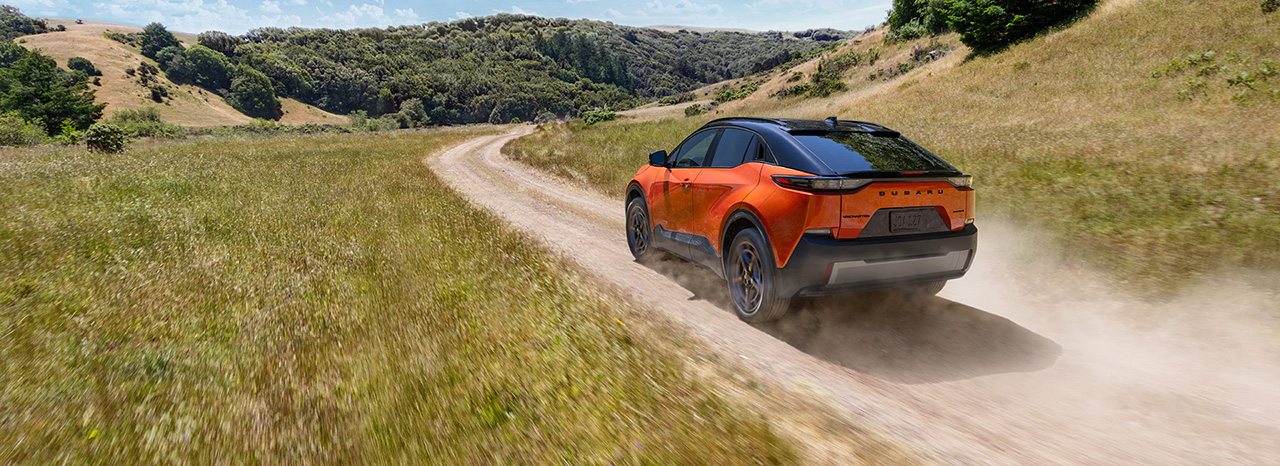
Source Receipts
Source pages, creator credits, and reuse licenses are visible for editorial trust and legal hygiene.
Related Video
All New 2026 Subaru Uncharted Interior Fly-Through
Subaru
Embedded from Subaru's official YouTube channel as manufacturer interior reference media, not as an independent MotorRank road test or first-drive verdict.
Interior
Cabin views before you choose a trim.
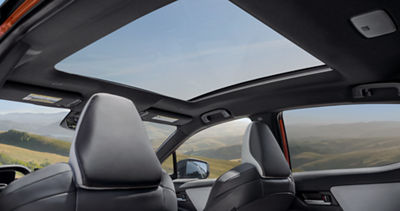
The Uncharted's cabin is part of the reason the page needs to be stronger than a spec dump. Subaru is selling this as a mainstream crossover EV with a standard 14-inch screen, useful storage, and trim-dependent upgrades that buyers will actually live with every day.
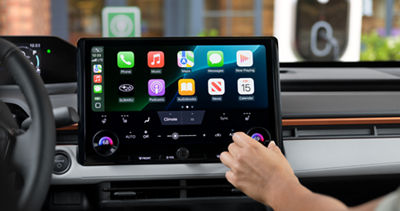
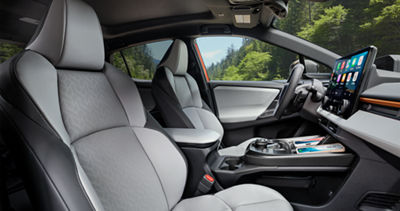
Interior Source Receipts
Research basis
Updated June 8, 2026
Compiled from Subaru's 2026 Uncharted model overview, specs-and-trims page, owner vehicle-resources pages, Subaru EV guide, live June 2026 Subaru offer language, current Edmunds incentive listings, June 2 EV-sales reporting, and live competitor pages from Car and Driver, Edmunds, Kelley Blue Book, The Drive, TractionLife, and A Girls Guide to Cars.
MSRP figures are Subaru's published base prices before destination, taxes, title, registration, dealer accessories, and local fees. Destination-inclusive pricing and deal framing are attributed where used. Charge-time, battery, and range statements are official Subaru claims unless otherwise attributed. MotorRank has not instrument-tested the Uncharted yet.
Update after MotorRank can verify highway efficiency, cold-weather range, real fast-charging behavior, ride quality, rear-seat comfort, and whether local June quote discipline still preserves the Premium's value case against the Leaf and Equinox EV.
Which 2026 SUBARU UNCHARTED to Buy
Which trim is right for you?
Premium FWD
$34,995
The range and value pick: 221 horsepower, front-wheel drive, and Subaru's 308-mile headline configuration.
Our pick
Sport AWD
$39,795
The practical enthusiast choice if you want dual-motor traction, more power, and the Subaru identity most buyers expect.
GT AWD
$43,795
The loaded version with the same dual-motor punch, but the easiest trim to overpay for if you only care about the drivetrain.
Performance
- Horsepower
- 338hp
- 0–60 mph
- 4.7s
Scorecard
- Performance8.3
- Comfort8.1
- Value8.4
- Ownership7.8
- Technology8.3
- Safety8.5
- Reliability7.6
- Interior8
Shopping Tools
Next steps for 2026 Subaru Uncharted shoppers.
Research tools to help you move from browsing to buying.
Compare rivals
Line up the closest alternatives before you commit.
Check deal signals
Review pricing pressure, incentives, and value angles.
Read owner signal
Balance the expert take with ownership patterns.
Open vehicle hub
Keep specs, reliability, rankings, and review links together.
Compare Against
Cross-shop before you commit.
The closest alternatives in this price range, with our read on each.
Lower-stress mainstream EV alternative
Nissan Leaf
The Leaf is the simpler comparison if price and easy daily use matter more than Subaru's AWD identity. The Uncharted feels fresher and more ambitious, but the Leaf can stay in the fight if the local quote is clearly cheaper.
Dealer-confidence and Toyota-brand trust rival
Toyota bZ
Toyota's bZ can appeal to buyers who trust the dealer footprint and brand more than Subaru's newer EV push. The Uncharted counters with cleaner value logic and a more compelling base-trim story.
More aspirational adventure EV stretch
Rivian R2
The R2 is not a direct price match, but it becomes relevant when a buyer is close to GT money and wants more adventure-brand pull. The Uncharted only wins that comparison when price discipline still matters.
No-plug fallback for buyers who hate charging friction
Kia Sportage Hybrid
The Sportage Hybrid is not an EV, but it is a smart escape hatch for shoppers who like the Uncharted's size and value logic yet realize they do not want charging to be part of daily life.
Buyer FAQ
2026 Subaru Uncharted buyer questions, answered.
32
buyer answers
Question Map
Decision
Should you buy the 2026 Subaru Uncharted now?
The answer depends less on whether you like Subaru and more on whether the Premium FWD or Sport AWD actually matches your charging life and budget.
Is the 2026 Subaru Uncharted worth buying?
Yes, if you want a mainstream-feeling EV and can keep the transaction close to the car's clean MSRP story.+
The Uncharted is a real contender because Subaru starts the Premium FWD at $34,995 before destination and gives buyers a 300-plus-mile headline without moving into luxury-EV territory. It works best for shoppers who can charge at home, do normal commuter mileage, and want a small EV that still feels like a familiar crossover instead of a tech experiment.
Who should skip it?
Skip it if you cannot charge easily, need big rear-seat room, or end up shopping a loaded trim at the wrong price.+
The Uncharted is not the universal answer. Apartment parking, frequent long highway runs, or a dealer quote that drifts too far above the core MSRP logic can quickly turn this from a smart affordable EV into a compromised one. Buyers who need more family space or who do not want to think about charging should keep hybrid and larger-crossover options in play.
Why does it matter today?
Because it has live June 2026 offer language and fresh market momentum, not just launch-page hype.+
Subaru is already advertising financing and lease language on the current model page, and June 2 reporting showed the brand's newer EVs moving faster than the older Solterra. That makes the Uncharted a current shopper topic rather than a distant future-car topic. There is enough live evidence now to judge whether the trim structure and pricing work.
Does this feel like a real Subaru or just a rebadged EV experiment?
More real than the old Solterra story, but only the AWD trims deliver the full Subaru-emotional pitch.+
The Uncharted feels more coherent than Subaru's earlier EV effort because the value case is clearer and the trims are easier to understand. The catch is that the emotional Subaru identity still lives mostly in the AWD versions. The Premium FWD is the smartest buy for many people, but it is also the trim that asks traditional Subaru buyers to give up the all-wheel-drive instinct they are used to following.
What do first-drive reviews add to the buyer decision?
They make the Uncharted feel more credible, but they do not replace quote discipline.+
Current first-drive coverage gives the Uncharted more credibility than a spec-only EV preview. Reviewers have called out the useful physical cabin controls, comfortable ride, approachable one-pedal behavior, and real Subaru traction personality on rougher surfaces. That helps answer whether the car is more than a spreadsheet. It still does not change the buying rule: choose Premium FWD for value and range unless your weather, terrain, or performance needs genuinely justify Sport AWD.
2026 Changes
What is actually new here for 2026?
This is not just a minor trim update. The Uncharted is Subaru's new affordable-EV play and the details matter.
What changed for Subaru in 2026 with the Uncharted?
Subaru finally has a smaller, lower-priced EV with a clearer buyer story than the Solterra ever had.+
The real 2026 change is not only the vehicle itself. Subaru now has a compact EV positioned around a sub-$35,000 starting price, a 300-plus-mile range headline, and a cleaner choice between FWD efficiency and AWD identity. That is a sharper product story than the earlier Solterra pitch and it lands at a time when buyers are actively punishing vague, overpriced EVs.
Is the Uncharted a real launch or still a future-car placeholder?
A real launch. Subaru is already publishing live pricing, lease, and finance language.+
The Uncharted moved past concept status the moment Subaru put real consumer pricing and current offer language on the public model page. That means shoppers can already compare this car against live deals on Leafs, bZ models, Equinox EVs, and hybrids rather than treating it like a speculative 2027 product.
What official hardware changes matter most?
The 74.7-kWh battery, NACS port, 11-kW onboard charger, and split FWD/AWD strategy are the big ones.+
Subaru's official material points to a 74.7-kWh battery, access to Tesla Superchargers through a standard NACS charge port, an 11-kW onboard home charger, and a trim structure that deliberately splits the lineup into a lower-cost long-range FWD model and higher-output AWD trims. Those are the changes that shape the buyer math far more than styling alone.
Real Cost
Price, destination, and deal math
The Uncharted looks strong only when shoppers separate MSRP from the real out-the-door or lease structure.
What does the 2026 Subaru Uncharted actually cost?
Subaru lists MSRP from $34,995 to $43,795 before destination; current destination-inclusive starting math is about $36,445.+
Subaru's official site lists the Premium FWD at $34,995, the Sport AWD at $39,795, and the GT AWD at $43,795 as MSRP, and the site also states that destination and delivery, taxes, title, and registration are not included. Kelley Blue Book's current pricing coverage puts the real starting figure at $36,445 in most states once destination is included. That distinction matters because an affordable EV can stop being affordable very quickly once dealer-installed accessories, documentation fees, or stretched lease terms enter the picture.
Are the June offers meaningful?
Potentially, but only after you confirm the exact local structure.+
Subaru's current consumer page references 0% APR for 72 months and a Premium lease example at $415 per month with $2,500 down, $2,915 due at signing, and a $2,000 customer cash rebate baked in. Edmunds is also listing extra educator, military, and lender incentives through early July. Those can be meaningful offers, but they are not the whole deal story. Buyers still need the money factor or APR, due-at-signing cash, mileage cap, fees, and regional eligibility before comparing the Uncharted against other EVs or hybrids on anything close to honest terms.
Which trim has the cleanest value case?
The Premium FWD is the strongest value trim unless the buyer has a real AWD reason.+
The Premium is the trim that preserves the vehicle's entire point: low entry price plus strong range. The Sport AWD can be worth the extra money for snow-belt or traction-focused buyers, but the GT is the easiest place to leak value. If the higher trims do not solve a real problem for you, the base trim is usually the smarter buy.
Should you lease, finance, or pay cash for a Uncharted?
Finance can be attractive with Subaru's 0% messaging, but only if the written local deal stays clean.+
Because Subaru is already advertising 0% APR and lease examples, the right choice depends on the exact local structure rather than on generic EV advice. A clean 0% finance offer can make the Premium especially compelling for a long-term owner. A lease can still work if the payment is strong and the due-at-signing cash is reasonable, but shoppers need the real residual, fees, and mileage cap before treating the monthly number as meaningful.
At what price does the Uncharted stop making sense?
When the transaction drifts close to bigger or more proven EV alternatives without giving you something unique back.+
The Uncharted works because it starts with honest affordable-EV logic. Once dealer add-ons, loaded trims, or weak lease structure push the car toward the price territory of larger EVs or stronger payment-disruptor rivals like the Equinox EV, the value edge fades fast. That is why quote discipline matters as much here as product quality.
Trim
Which Uncharted should you buy?
This is where the review has to be decisive. The best trim is not the fanciest one; it is the one that protects the reason the car exists.
Which 2026 Subaru Uncharted trim is the default recommendation?
Premium FWD is the default buy for most shoppers.+
The Premium FWD is the trim that keeps the price below $35,000, preserves the strongest official range figure, and avoids paying extra for all-wheel drive unless the buyer will truly use it. That makes it the trim most aligned with what the Uncharted is supposed to be: a disciplined mainstream EV rather than a loaded niche product.
When is the Sport AWD worth the jump?
When weather, traction, or dual-motor response are real needs rather than emotional defaults.+
The Sport AWD earns its place for buyers in snow states, buyers who regularly drive on poor-weather roads, or buyers who know they will appreciate the extra power and traction every week. It is the emotionally satisfying Subaru trim, but it only works as a smart buy if the AWD benefit is real enough to justify both the price jump and the range tradeoff.
Is the GT worth it?
Usually only for buyers who know they want the extra comfort features every day.+
The GT is the easiest trim to overbuy because it takes a clean affordable-EV story and starts stretching it toward near-premium money. If features like the panoramic roof, upgraded cabin, and comfort add-ons materially improve your daily life, it can make sense. If you are reaching for it mostly because the top trim feels safer or more complete, it is probably the wrong move.
What is the 'too far' trim?
For most buyers, the GT is the trim where the Uncharted can start losing the plot.+
The GT is not a bad vehicle. It is simply the point at which the Uncharted risks becoming more expensive than the clear, rational EV it set out to be. Once you get close to GT money, the cross-shop gets more dangerous because larger EVs, stronger deal cars, and more aspirational alternatives start entering the conversation.
Range
Range, charging, and FWD versus AWD
The official 308-mile headline matters, but the bigger decision is whether the buyer is willing to pay more and give some of that away for AWD.
How much range does the Uncharted really promise?
The official headline is up to 308 miles on the Premium FWD.+
That 308-mile number is the reason the Uncharted enters normal-buyer territory. It gives the base trim enough range to feel like a serious daily driver rather than a compromise EV. The dual-motor trims trade some of that efficiency for extra traction and power, so the buyer should decide whether the AWD benefit is worth the reduced range and higher price before the emotional Subaru pull takes over.
What should you expect from charging?
Fast charging and home charging both look usable, but real-world routine still matters more than brochure speed.+
Subaru's owner resources point to roughly 28 minutes for a 10% to 80% DC fast-charge session on a 150-kW charger and about six hours for a home Level 2 refill with the 11-kW onboard charger. That is good enough for most commuters and reasonable road-trip planning. It is not instant, and buyers who hate stop planning will still notice that it is an EV, not a gas crossover.
What MPGe numbers matter?
Subaru's own vehicle data points to strong FWD efficiency, and that is part of why the Premium matters so much.+
Subaru's published vehicle data highlights the Premium FWD as the efficiency leader, with up to 140 city / 118 highway MPGe and a 129 MPGe combined figure in its public product data. Those numbers reinforce that the Premium is not only the cheaper trim; it is the one that protects the best efficiency story as well. The AWD trims trade some of that away for traction and power.
Should traditional Subaru buyers just choose AWD automatically?
No. AWD is only the better answer when the use case truly needs it.+
The Sport and GT give the Uncharted a more familiar Subaru identity, and that has real value in bad-weather or mountain-driving environments. But many shoppers will use AWD as a reflex instead of a requirement. If the vehicle will mostly handle commuting, errands, and suburban family use, the Premium's lower price and stronger range can be the smarter choice than paying more simply to feel like you bought the 'real Subaru' version.
Daily Use
Daily life, space, and comfort
The Uncharted looks like a sensible everyday EV, but buyers should still verify the rear seat and cargo compromise in person.
Is it roomy enough for normal family use?
Usually yes for small families and couples, but rear-seat expectations should stay realistic.+
The Uncharted is more practical than the smallest EV hatches and more normal-feeling inside than some futuristic rivals. At the same time, reviews such as Edmunds point out that the rear seat is not huge. That means the car fits a lot of everyday life well, but buyers who routinely carry tall adults or who want big-crossover rear comfort should test the cabin before assuming the SUV shape solves everything.
Does the cabin actually feel good enough for the money?
Good enough in layout and usability, but the trim choice decides how premium it feels.+
The standard 14-inch screen, dual wireless chargers, and mainstream crossover layout make the cabin easier to trust than many 'tech experiment' EV interiors. The harder question is trim value. The GT clearly looks richer inside, but buyers need to decide whether those upgrades are improving the daily experience enough to justify the higher transaction price instead of just making the spec sheet longer.
Is cargo space good enough?
Yes, as long as you understand this is a compact crossover and not a three-row family hauler.+
Car and Driver cites about 25 cubic feet behind the rear seat and roughly 60 with the seats folded, which is enough for groceries, travel bags, sports gear, and routine life. That keeps the Uncharted credible as a real crossover. Buyers moving from a larger midsize SUV will still feel the size reduction, but shoppers moving from sedans or hatchbacks should find it practical enough.
What everyday-use feature matters more than it sounds?
The NACS port and the standard charging hardware matter more than flashy trim features.+
A standard NACS port and the 11-kW onboard charger are not glamorous talking points, but they change the daily ownership experience more than decorative features do. Charging access and refill speed are the kinds of details that decide whether an EV feels normal or annoying after the first week of ownership.
Ownership
Warranty, rivals, and long-term caution
The battery coverage helps, but this is still a new EV that needs owner miles and strong dealer execution before anyone should speak with total certainty.
What warranty matters most here?
The battery warranty matters most; Subaru references eight years or 100,000 miles.+
Affordable EV buyers should focus on the battery terms first because the battery is the most expensive single component. Subaru's EV guide references an eight-year or 100,000-mile battery warranty, while basic coverage follows the usual 3-year or 36,000-mile pattern seen in third-party spec references. Buyers should still confirm the exact 2026 warranty booklet on the VIN they plan to buy.
Should cautious buyers wait a year?
Waiting is rational if early-owner charging behavior, software polish, or resale matters more to you than being first.+
This is still a new EV with market proof left to earn. Buyers who hate uncertainty are not wrong to wait for real winter-range stories, fast-charge experience, software behavior, and local service feedback. The reason to buy early is the current value logic. The reason to wait is long-term confidence.
What ownership risk matters most beyond the battery?
Dealer execution and day-two charging experience matter almost as much as the warranty booklet.+
A new EV can look great on paper and still become frustrating if the local dealer cannot answer charging, software, or service questions clearly. Buyers should treat dealer readiness as part of the ownership evaluation, not as an afterthought. The best affordable EV can still become a mediocre purchase if the local support is vague.
What are the smartest alternatives?
Leaf, bZ, Equinox EV, and even a disciplined hybrid cross-shop all stay relevant.+
The Uncharted's strongest internal-market comparisons are the Nissan Leaf and Toyota bZ because they fight for similar affordable-EV shoppers. Outside the current MotorRank review set, the Chevrolet Equinox EV is a payment and value disruptor worth checking. Buyers who cannot charge consistently or who do not want EV routine at all should also compare the price against the best mainstream hybrid alternatives before assuming the EV badge is the right move.
Compare
What should you cross-shop before signing?
The Uncharted only works as a strong buy if it stays ahead of the right alternatives for your exact use case.
Should you buy the Uncharted or a Nissan Leaf?
Buy the Subaru if the numbers are close; buy the Leaf if the lower entry price stays meaningfully lower after incentives and fees.+
The Leaf still matters because Nissan now prices the 2026 S+ from $29,990 and claims up to 303 miles of range, which keeps it squarely in the affordable-EV conversation. The Uncharted feels fresher, more complete, and more modern, and the AWD option gives Subaru a unique card. If local transaction prices land close together, the Subaru has the stronger product case. The Leaf wins when the lower price stays real enough after destination, incentives, and fees to outweigh that difference.
Should you buy the Uncharted or Toyota bZ?
The bZ wins on Toyota trust; the Uncharted wins on sharper affordable-EV logic.+
Toyota's bZ can still appeal to buyers who care about dealer reach and Toyota-brand confidence. The Uncharted counters with a more decisive base-trim story and a more interesting product pitch for buyers who want to feel like they are not settling for the safe but generic option.
Should you buy this or just get a hybrid crossover?
Choose the hybrid if home charging is weak or you know you will resent EV routine.+
The Uncharted beats a hybrid only when the buyer can use what makes an EV better: cheap home charging, quiet daily driving, and enough routine predictability to make the range story easy. If your parking, mileage, or patience level undercuts those benefits, a disciplined hybrid cross-shop can still be the smarter decision even if the Subaru looks exciting on paper.
Ready to buy?
Configure your 2026 Subaru Uncharted.
Get matched with a Subaru dealer or build your spec sheet from scratch.