Check the VIN. Then decide if the car is still worth buying.
NHTSA is the official recall source. MotorRank is the buyer filter: what the recall means, when it changes the deal, and when a clean repair record makes the car safe to keep on your list.
Walk until repaired
Air bags, steering, braking, fire risk, stalling, seat belts, wheels, tires, or anything with a do-not-drive warning.
Pause and get paperwork
Software, camera, electrical, seat system, warning-light, or trim-specific recalls where the remedy status is unclear.
Negotiate the inconvenience
A remedy exists, the dealer can perform it, and the defect does not change how you will use the car today.
Buy after confirmed completion
The VIN is clear or the recall is closed with documentation that matches the vehicle you are buying.
Official status
NHTSA VIN and campaign data
Buyer decision
Buy, pause, negotiate, or walk
Model context
Recall guidance linked to reviews
For car shoppers
A recall result only helps if you know the next move.
Use the official VIN record first. Then decide whether the recall changes the car, the timing, the paperwork, or the deal itself.
Start with NHTSA because it is the official source for unrepaired safety recalls on the exact vehicle.
A make/model search is useful for awareness, but the VIN is what matters before you buy or take delivery.
Read the risk, not just the label
A recall can be a routine software update or a serious safety problem.
Air bags, brakes, steering, fire risk, seat belts, wheels, tires, stalling, and do-not-drive notices deserve a harder pause.
Make the seller prove completion
Do not rely on a verbal promise that the recall was handled.
Ask for the repair order, completion record, dealer appointment, or written delivery condition tied to the exact VIN.
Use the recall in the deal
An open recall may justify delaying delivery, choosing another unit, or negotiating inconvenience.
The right move depends on the defect, remedy timing, parts availability, and how you plan to use the vehicle.
Recheck after purchase
A clean result today does not mean you can ignore recalls forever.
NHTSA says VINs can be added after a recall is announced, so owners should keep checking after the sale.
Keep model context in view
The same recall category can matter differently on a family SUV, work truck, EV, commuter car, or weekend car.
Use MotorRank reviews and reliability pages to understand whether the issue changes the model-year decision.
NHTSA shows a do-not-drive or major safety recall
Pause or walk until the remedy is complete.
Ask for the completed repair order and confirm the VIN again before delivery.
The recall has a remedy, but the seller has not completed it
Delay delivery or make completion a written condition of the deal.
Get the dealer appointment, parts status, and repair commitment in writing.
The recall is closed on the exact VIN
Keep shopping, but save the completion record.
Match the repair paperwork to the VIN, mileage, campaign number, and date.
The make/model has campaigns, but your VIN is clear
Do not panic; use it as one part of the ownership file.
Check complaints, investigations, model reviews, and reliability context before deciding.
Current recall watch
Current campaigns only matter when the buyer knows the move.
These examples come from NHTSA campaign data checked on June 18, 2026. Always run the exact VIN because campaign eligibility, remedy timing, and repaired status can change.
NHTSA 26V340000
Ford Bronco Sport and Maverick Control Arm Recall 26V340000
Reported May 27, 2026
NHTSA says the front lower control arm ball joints may have been incorrectly installed or repaired at the assembly plant, which can allow the control arm to disconnect from the front wheel knuckle.
Buyer move: If the exact VIN is open, pause the purchase or choose another unit until the repair is completed and documented.
Read guideNHTSA 26V344000
Ford Expedition and Lincoln Navigator Seat-Belt Recall 26V344000
Reported May 27, 2026
NHTSA says the driver and/or front passenger seat-belt pretensioner may inadvertently lock the belt and prevent it from retracting or extending.
Buyer move: For a family SUV, require the new campaign repair or written remedy timing before you take delivery.
Read guideNHTSA 26V356000
Kia Telluride Seat-Belt Recall 26V356000
Reported June 2, 2026
NHTSA says the driver seat-belt emergency locking retractor may lock, causing the belt strap not to extend.
Buyer move: Before delivery, confirm whether the exact VIN is included and require the driver seat-belt assembly repair record if it is open.
Read guideNHTSA 26V346000
Subaru Forester Moonroof Recall 26V346000
Reported May 28, 2026
NHTSA says the sliding glass panel of the power moonroof assembly may have been improperly bonded to the sliding frame, allowing the glass panel to detach.
Buyer move: If the exact VIN is included, pause delivery until the dealer documents the moonroof inspection or replacement.
Read guideNHTSA 26V341000
Toyota and Lexus Instrument-Cluster Recall 26V341000
Reported May 27, 2026
NHTSA says the instrument panel cluster combination meter may fail to display certain warnings or indicators.
Buyer move: For an affected VIN, require the software update before delivery or make completion a written delivery condition.
Read guideRecall severity matrix
The recall question is not panic. It is risk, timing, and proof.
Walk until repaired
Air bags, steering, braking, fire risk, stalling, seat belts, wheels, tires, or anything with a do-not-drive warning.
Do not let a clean-looking car or dealer urgency override an unrepaired safety-critical campaign.
Pause and get paperwork
Software, camera, electrical, seat system, warning-light, or trim-specific recalls where the remedy status is unclear.
The car may still be a good buy, but the repair order and VIN status need to be in writing before delivery.
Negotiate the inconvenience
A remedy exists, the dealer can perform it, and the defect does not change how you will use the car today.
Ask for repair timing, a loaner, delivery delay protection, or a different unit if parts are backordered.
Buy after confirmed completion
The VIN is clear or the recall is closed with documentation that matches the vehicle you are buying.
Keep the completion record with the purchase paperwork, especially on used cars and family vehicles.
Before you sign
The six checks that protect the buyer.
NHTSA says VIN lookup can show unrepaired recalls, while year/make/model searches show broader recall and safety issue results. Use both, then make the dealer or seller prove the remedy status.
Run the exact 17-character VIN through NHTSA before you sign, not just the make/model.
Ask whether NHTSA shows an unrepaired recall, an investigation, complaints, or manufacturer communications.
For a dealer purchase, request the repair order or recall completion record in writing.
For a private-party purchase, make recall repair a condition of the deal or price the inconvenience honestly.
Check whether the recall affects your use case: family seating, towing, winter driving, charging, long commuting, or track use.
Recheck after purchase; NHTSA says VINs can be added continuously after a recall is announced.
MotorRank coverage
Recall guidance should connect to real model pages.
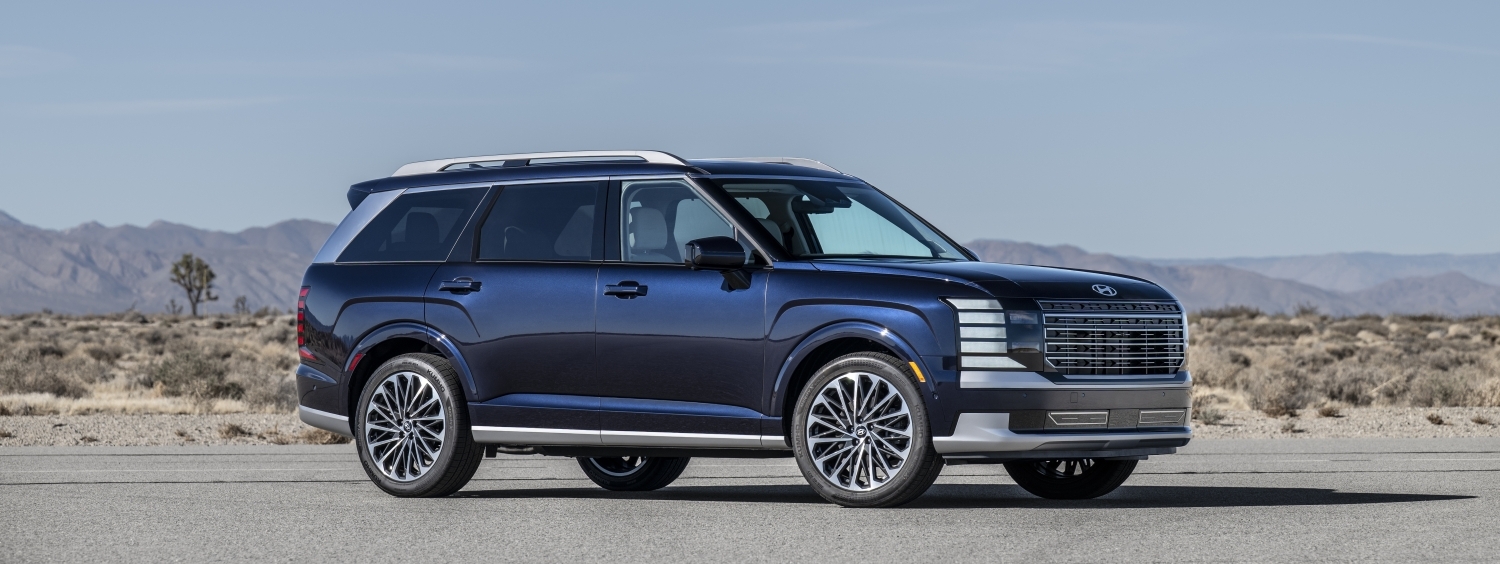
Family SUV
Hyundai Palisade Hybrid recall watch
How to treat top-trim Palisade recall status before delivery.
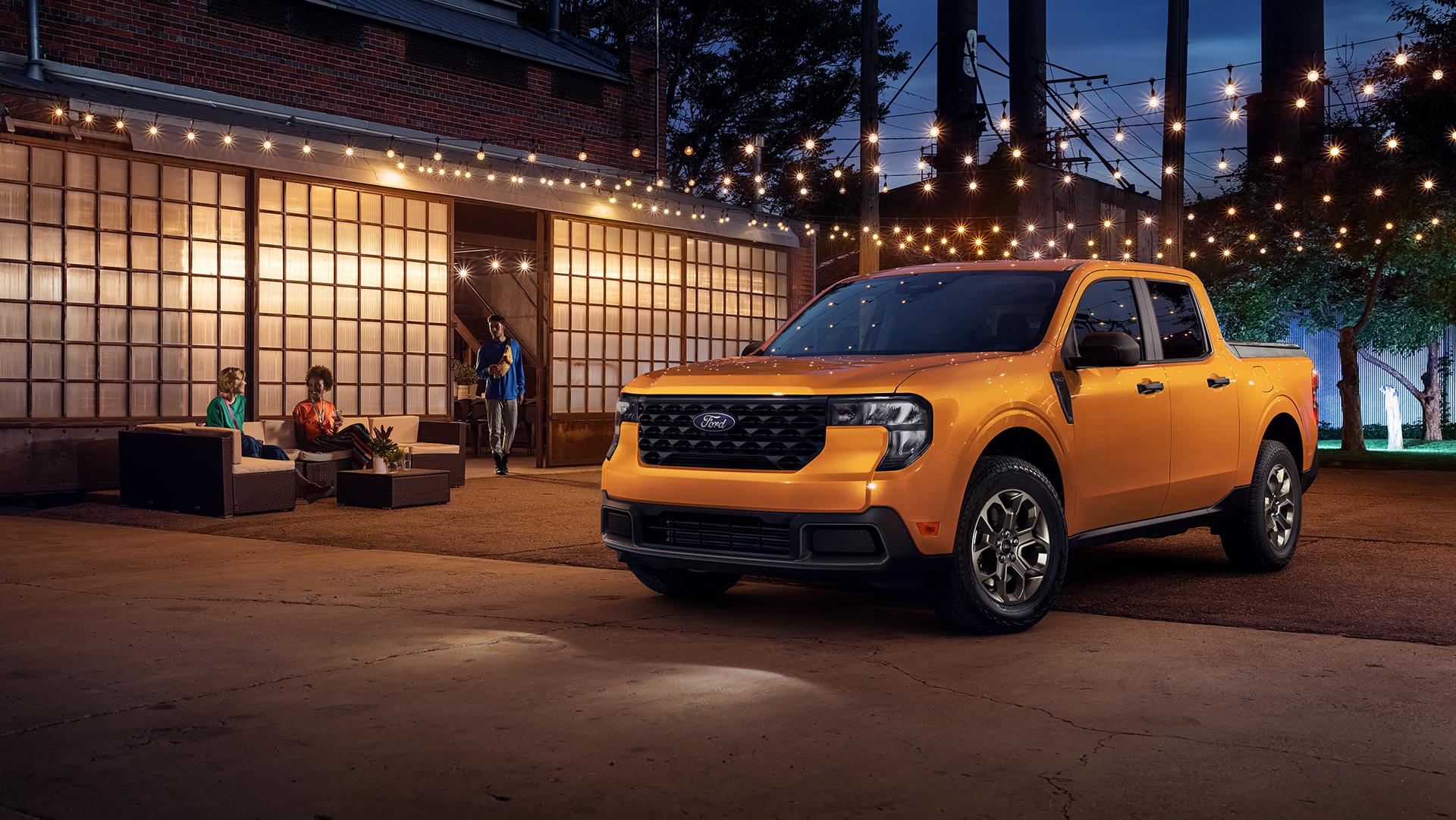
Compact truck
2026 Ford Maverick Hybrid review
Value-truck buying advice with the recall check kept in the ownership lane.
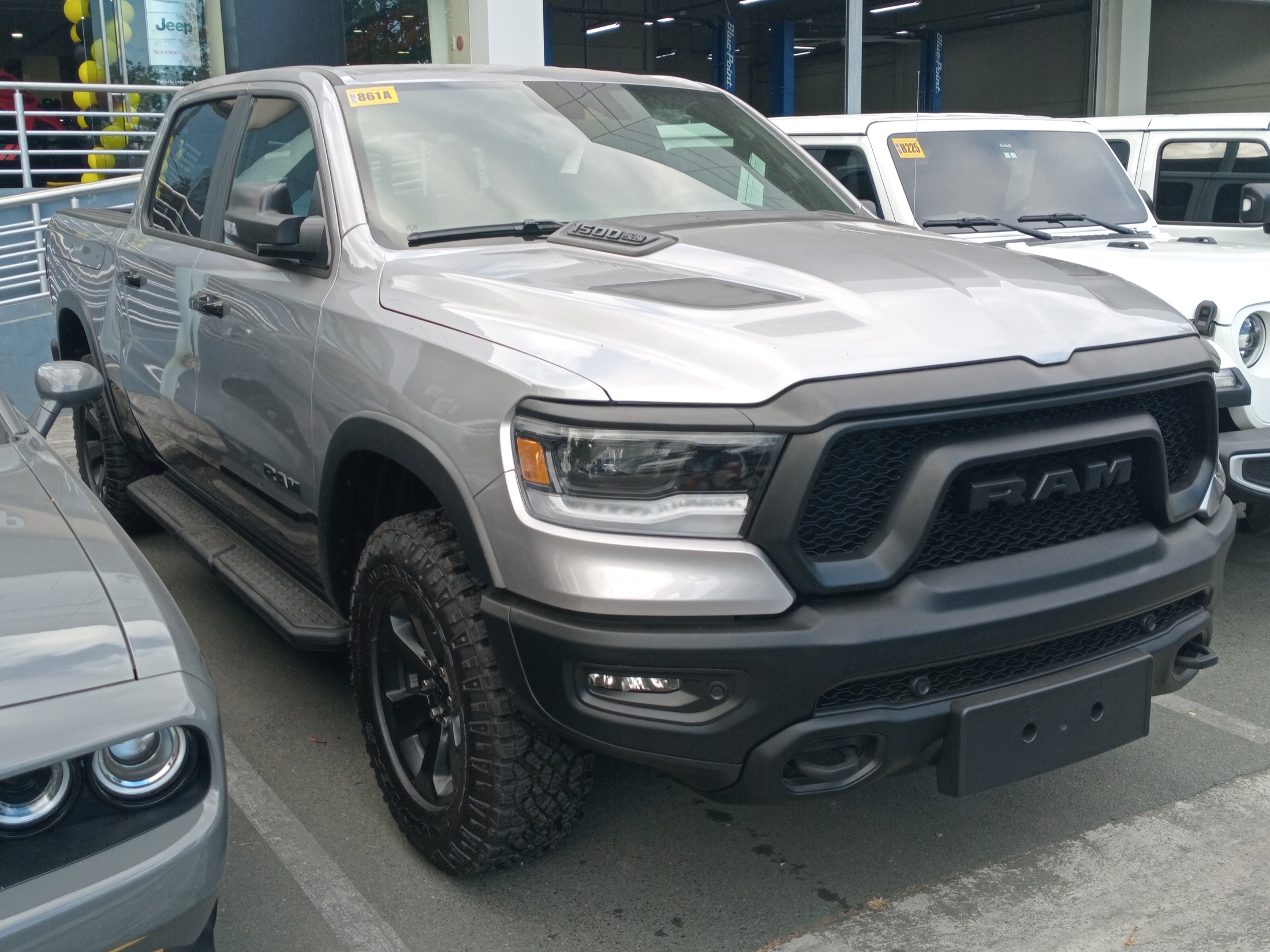
Full-size truck
2026 Ram 1500 review
Hemi-versus-Hurricane advice with open-recall context treated plainly.
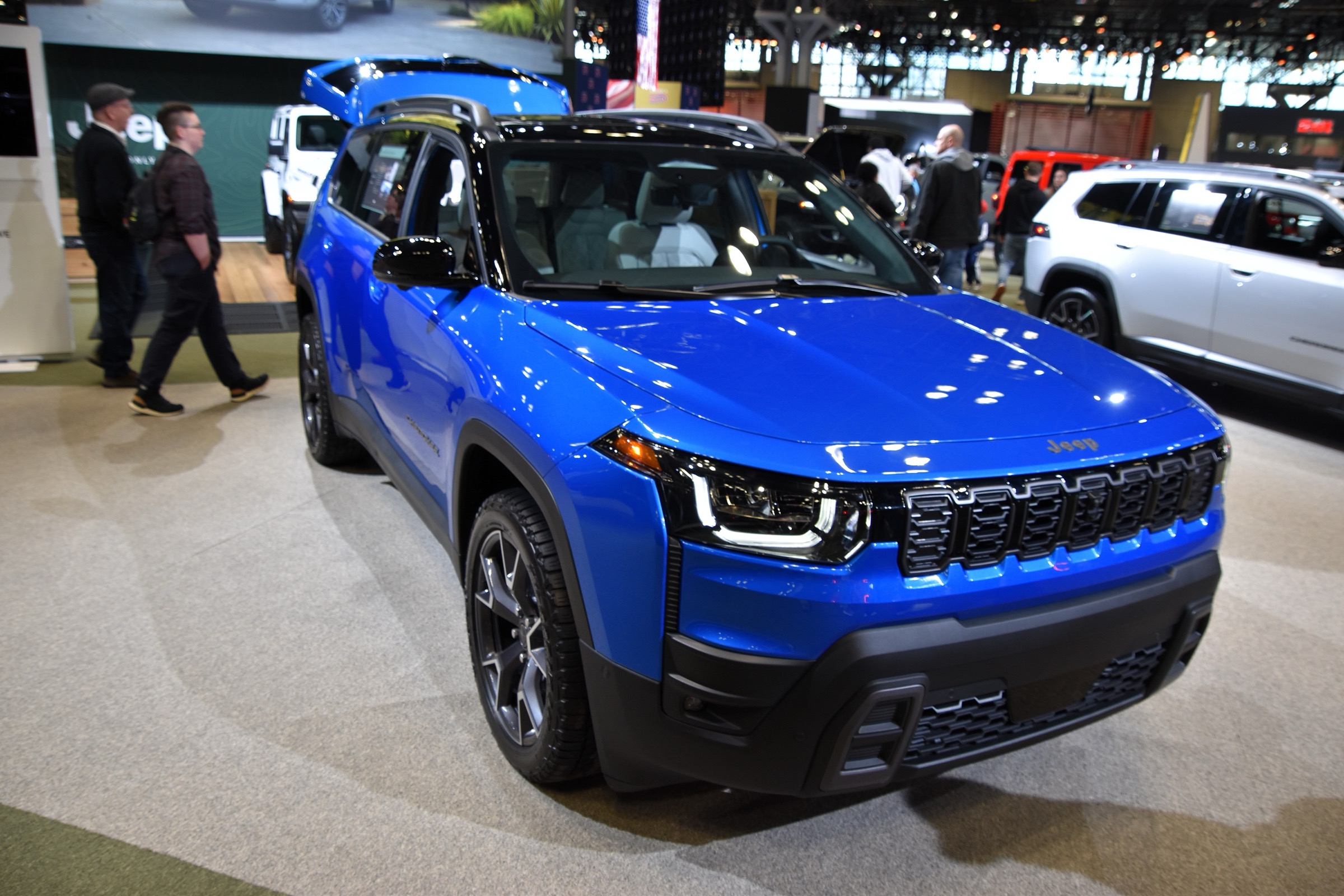
Hybrid SUV
2026 Jeep Cherokee review
A new hybrid platform where early recall and complaint checks matter.
EV reliability
Tesla Model 3 reliability
Recall exposure, complaint themes, and used-EV ownership context.
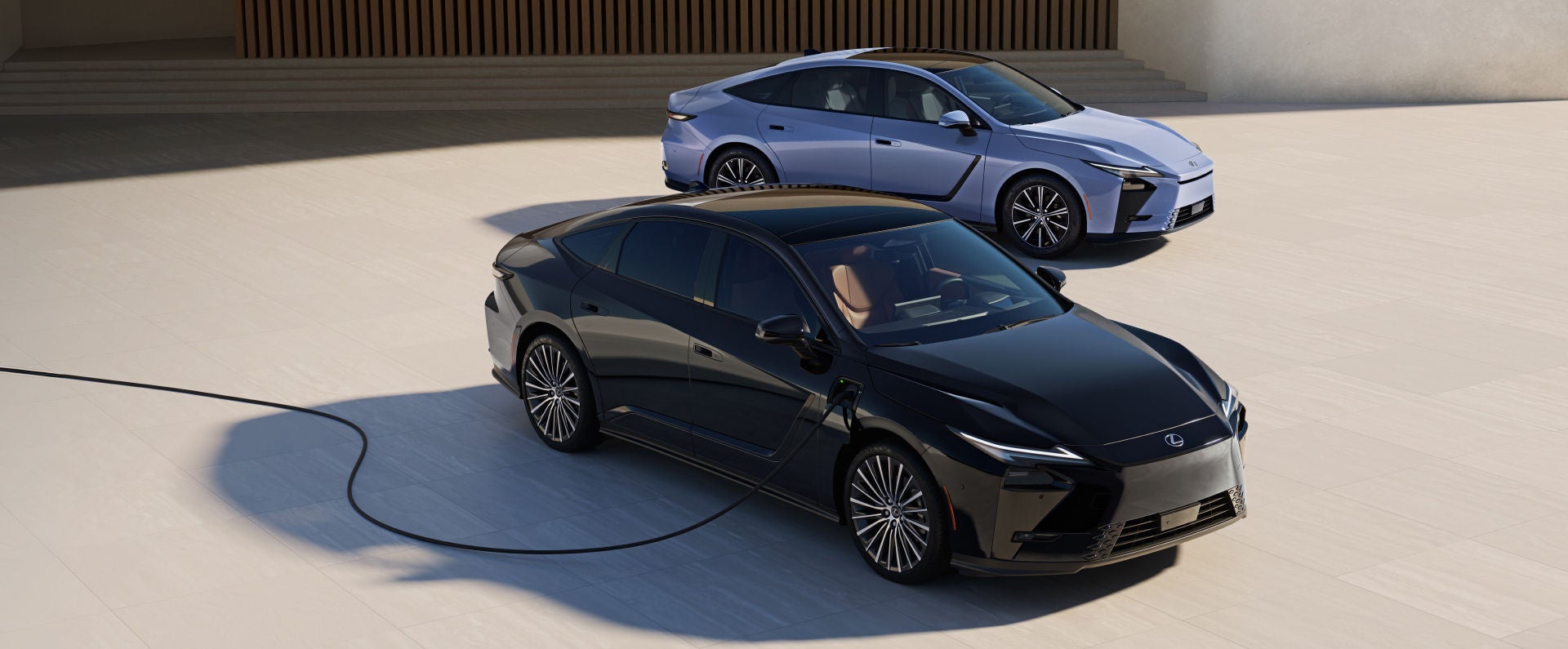
Luxury sedan
Lexus ES reliability
Toyota/Lexus recall history and the used-car years to inspect hardest.
Search paths
Start by make, then get down to exact VIN.
Official proof stack
Official VIN, plate, year/make/model, car seat, tire, and equipment recall lookup.
Official recall, investigation, complaint, manufacturer communication, and FAQ resources.
Official recall API syntax, campaign data, complaints, investigations, and downloadable files.
Official dashboard for manufacturer-level recall filtering and exports.
Source limitations
A clear VIN result is not the same thing as total ownership proof.
NHTSA lists important lookup limits: a VIN result may not show a repaired recall, every newly announced VIN may not be identified immediately, and some older or specialty campaigns may not appear the same way. That is why MotorRank treats recalls as part of a larger buying file, not the entire file.
VIN first
Use the exact VIN for unrepaired recall status before any purchase or delivery.
Remedy next
Confirm the remedy exists, parts are available, and the work is complete or scheduled.
Paperwork always
Keep the repair order or completion record with your purchase documents.
Use-case filter
A truck, family SUV, EV, or track car may be affected differently by the same category of defect.
Recall FAQs
The questions shoppers ask before they trust the car.
What is the best way to check if a car has an open recall?
Use the exact VIN at NHTSA.gov/recalls. A make/model search can show general campaigns, but a VIN check is the right first step before buying or taking delivery.
Is an open recall always a reason not to buy the car?
No. A recall can be a free, routine repair or a serious safety blocker. The decision depends on the defect, remedy availability, whether the repair is completed, and whether the issue affects how you will use the vehicle.
Should I trust a dealer who says the recall is handled?
Trust the paperwork, not the verbal answer. Ask for the VIN status, repair order, or recall completion record before signing.
Do recalls expire?
NHTSA's recall resources say a vehicle recall does not expire. Still, VIN lookup limits and manufacturer coverage details can vary, so check NHTSA and the manufacturer for the exact vehicle.
Can MotorRank replace the NHTSA recall lookup?
No. NHTSA is the official source for VIN recall status. Use MotorRank to understand what that status means for your purchase, your paperwork, and the model year you are considering.
Why use this page after checking NHTSA?
NHTSA gives the official recall status. This page helps you turn that status into a buying decision: what to ask for, what paperwork matters, and when to buy, pause, negotiate, or walk.
What should I do if NHTSA says not to drive the vehicle?
Do not buy, take delivery, or keep driving the vehicle until the remedy is complete unless the manufacturer or dealer gives written interim instructions that are safe for your exact VIN and use case.
Official source first
MotorRank explains the deal. NHTSA confirms the VIN.